When your furnace starts blowing cold air, it can throw off your comfort fast. Before you call for help, it helps to understand how your system works. A furnace produces heat through combustion — burning fuel inside a heat exchanger. The blower then pushes warm air through your ductwork and into your home. If the process breaks down at any point — from fuel to ignition to airflow — you’ll feel it. Knowing the basics can help you spot simple issues or explain what’s happening to your technician when service is needed.
Thermostat Issues
Your thermostat is the control center for your furnace. It turns the system on and off to keep your home at the set temperature. If cold air is blowing from your vents, start here.
First, make sure your thermostat is set to “heat,” not “fan.” The fan setting only circulates air and won’t activate the burners. Check that your set temperature is higher than the current room temperature so the furnace knows to turn on.
If the settings look right but the air is still cool, try resetting your thermostat according to the manufacturer’s instructions. If the problem continues, your thermostat may not be reading the temperature accurately. To check, place a thermometer on the wall next to it and wait about 15 minutes. If there’s more than a few degrees’ difference, the thermostat could need recalibration or repair. A professional can also inspect for wiring issues that disrupt communication between the thermostat and furnace.
Clogged Filter
A dirty air filter is one of the most common causes of furnace problems. The filter traps dust and debris before it can damage internal parts or circulate through your home. When it gets clogged, airflow drops. That restricted flow can cause the furnace to overheat, triggering its safety controls and shutting off the burners. The blower might keep running, but it’ll only push out cold air.
Check your filter monthly and replace it at least every three months. Homes with pets, large families, or allergy concerns often need to change filters more often. Clean filters not only protect your furnace — they also keep the air you breathe cleaner and your system running efficiently.
Pilot Light or Ignition Problems
If your furnace uses natural gas or heating oil, it relies on either a pilot light or electronic ignition to start heating. When that ignition fails, your furnace won’t produce heat.
For pilot lights, look for signs like a flickering flame, no flame at all, or a yellow color instead of blue. These can indicate incomplete combustion or a gas flow issue — both reasons to call a professional. Ignoring them can risk a carbon monoxide leak.
For furnaces with electronic ignition, problems often come from dirty sensors or faulty components. A technician can usually resolve the issue by cleaning the sensor or replacing the part.
Limit Switch Problems
Your furnace’s limit switch is a key safety device that prevents overheating. If the system gets too hot, the switch shuts it down before damage can occur. But like any part, it can malfunction — cutting off the heat even when temperatures are safe. A trained technician can test the switch to see if it’s failing or if your furnace is actually overheating due to another issue.
Fuel Supply Issues
Without a steady fuel supply, your furnace can’t produce heat. A blocked gas or oil line, dirty burner, or faulty thermocouple can all stop your system from igniting properly. The thermocouple’s job is to detect whether the pilot light is lit and control fuel flow accordingly.
A professional will inspect for consistent fuel delivery, check gas pressure, clean the burners, and replace any faulty components to restore normal operation.
Condensate Drain Clogs in High-Efficiency Furnaces
High-efficiency furnaces create condensation as they run. That moisture drains through a small line — but if it clogs, the water can back up into the system and trigger a safety switch that shuts it down. A technician will remove the blockage, clean the line and drain pan, and reset the furnace once it’s safe to operate again.
How Technicians Troubleshoot Furnaces
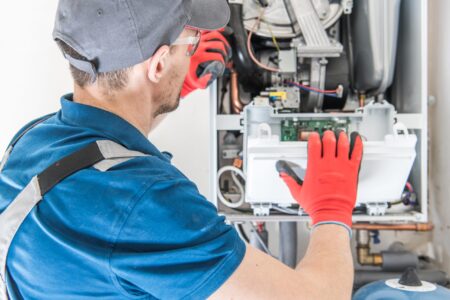
Professional HVAC technicians follow a systematic process to diagnose furnace problems. They start by gathering details from the homeowner — when the issue began, how the system’s been maintained, and any past repairs. Then they check the power and fuel supply, electrical components, and airflow.
Using performance testing, technicians pinpoint the root cause and complete the necessary repairs. Once finished, they test the furnace through a full heating cycle and make adjustments to improve efficiency and comfort. This not only ensures your system is fixed — it can also help reduce your heating costs.
Your Local Heating Experts
When the weather turns cold in the Magic Valley, you need your furnace to keep up without surprises. Whether it’s a simple fix or something deeper, catching the issue early can make all the difference. The team at Magic Electric, Plumbing, Heating, + Air can get your system running safely and efficiently so you can stay focused on what matters most—keeping your home warm and your family comfortable all season long. If your furnace isn’t keeping up, call Magic today and get your comfort back on track before winter settles in.