

Winter in Idaho is beautiful, but it brings a specific set of challenges for homeowners. One of the most common questions we get at Magic Electric, Plumbing, Heating & Air is: “How cold does it have to be for my pipes to freeze?”
The short answer is that water freezes at 32°F. However, the “danger zone” for your home’s plumbing is actually a bit more complex than the number on the thermometer. Learning these thresholds can be the difference between a cozy winter and an emergency call for a burst pipe.
What is the exact temperature when pipes start to freeze?
Technically, water begins to turn to ice the moment it hits 32°F (0°C). However, your indoor pipes are usually protected by the insulation and heat of your home. Most plumbing experts and research from groups like the Building Research Council suggest that the “threshold temperature” for pipes to freeze is 20°F.
When the outdoor temperature hits 20°F or lower, pipes located in unheated areas, like your attic, crawl space, or garage, reach a critical risk level. While a quick dip to 30°F might not cause an immediate issue, a sustained period of 20°F weather is when the water inside your pipes is likely to solidify.
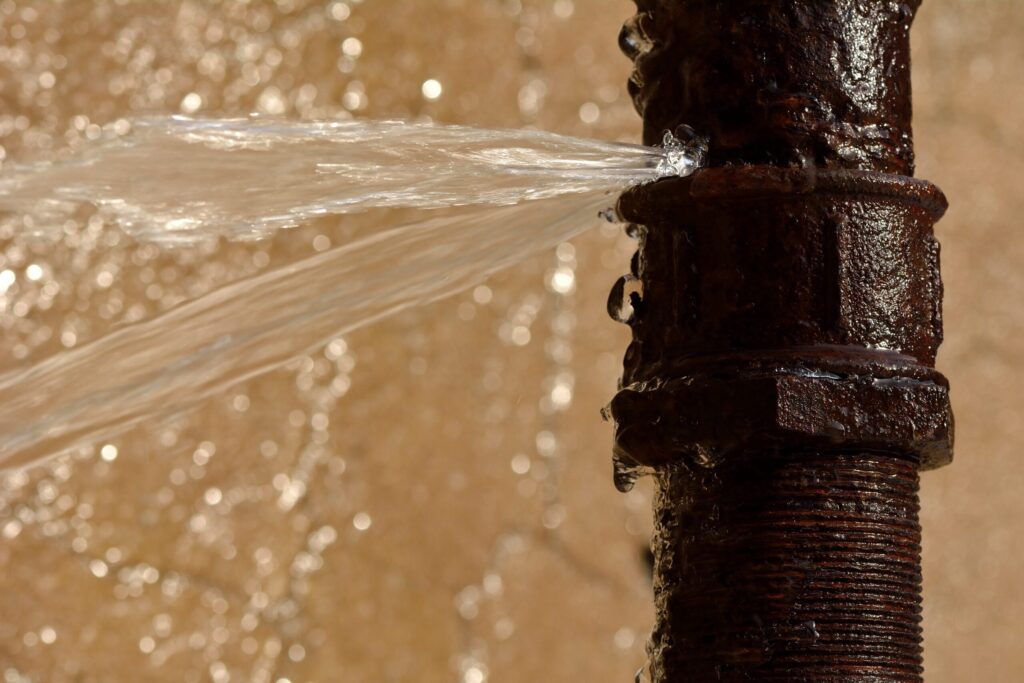
Why do pipes burst when they freeze?
It’s a common misconception that the ice itself pushing against the pipe walls causes the break. While ice expansion is part of the problem, the real culprit is water pressure.
When a section of water freezes solid, it creates a “plug.” The water trapped between that ice plug and your closed faucet has nowhere to go. As the ice continues to expand, it pushes that trapped water toward the faucet, creating immense pressure. Eventually, the pipe wall gives way, usually at its weakest point, and you have a burst pipe.
Which pipes in your home are most at risk?
Not all pipes are created equal. Some are naturally shielded by your home’s heating system, while others are exposed to the elements. The most vulnerable pipes include:
- Outdoor Faucets: Also known as hose bibbs, these are directly exposed to the cold.
- Unheated Interior Areas: Pipes running through crawl spaces, basements, attics, and garages.
- Pipes in Exterior Walls: If your kitchen or bathroom sink is on an outside wall, the insulation behind it might not be enough to stop the cold from reaching the plumbing.
- Swimming Pool Lines: Any water lines that aren’t properly drained for the season.
How can you tell if your pipes are already frozen?
You don’t always have to wait for a flood to know something is wrong. Catching a freeze early can save you thousands in repair costs. Look for these warning signs:
- The “No-Flow” Test: If you turn on the faucet and only a trickle comes out, or no water appears at all, you likely have a freeze in that line.
- Frost on the Pipe: If you can see the pipe (in a basement or under a sink) and it’s covered in frost, the water inside is definitely at or below freezing.
- Strange Odors: If a pipe is partially blocked by ice, odors from the drain may be pushed back into the house.
- Bulging Pipes: If a pipe looks slightly swollen or “fat,” it is likely holding an ice blockage that is currently expanding.
What should you do if you suspect a frozen pipe?
If you suspect a pipe is frozen, time is of the essence. Follow these steps immediately:
- Keep the Faucet Open: As you treat the frozen pipe and the ice begins to melt, water will need to flow out. This also helps relieve the pressure that causes bursts.
- Locate the Freeze: Check the most vulnerable areas mentioned above.
- Apply Gentle Heat: Use a hair dryer, a portable space heater, or towels soaked in hot water. Never use an open flame, like a blowtorch, as this can damage the pipe and poses a massive fire risk.
- Call the Professionals: If you can’t find the freeze or if the pipe has already split, call Magic Electric, Plumbing, Heating & Air immediately. We have specialized tools to thaw pipes safely and efficiently.
How can you prevent frozen pipes before the next cold snap?
Prevention is always cheaper than a repair. Here are the top ways to “winterize” your plumbing:
- Drain Outdoor Lines: Disconnect all garden hoses and shut off the water to outdoor faucets.
- Insulate Pipes: Use foam pipe sleeves or heat tape on pipes located in unheated areas.
- Let the Faucets Drip: When the temperature is predicted to drop below 20°F, let a very thin stream of water (both hot and cold) drip from your faucets. This keeps water moving and relieves pressure.
- Open Cabinet Doors: Keep kitchen and bathroom cabinet doors open to allow the warm air from your home to circulate around the pipes.
- Seal Air Leaks: Look for gaps around cable lines or phone lines that enter your home and seal them with caulk or foam.
How does Magic Electric, Plumbing, Heating & Air help with frozen pipes?
At Magic Electric, Plumbing, Heating & Air, we understand that a plumbing emergency doesn’t wait for business hours. We offer comprehensive frozen and burst pipe repair services across Twin Falls and Boise.
Our technicians are fully licensed and arrive with the tools necessary to thaw pipes without causing further damage. If a pipe has already burst, we provide upfront pricing and same-day service to get your water back on and your home dry as quickly as possible.
Conclusion
Knowing that 20°F is the magic number for pipe safety can help you prepare your home for the worst of winter. By taking simple steps like insulating exposed lines and letting your faucets drip, you can avoid the headache of a winter flood. However, if the Idaho winter gets the best of your plumbing, remember that the pros at Magic Electric, Plumbing, Heating & Air are just a phone call away.
Don’t let a frozen pipe turn into a disaster. Contact Magic Electric, Plumbing, Heating & Air for your plumbing and electrical repair needs today!
Time it Takes for pipes to Freeze Frequently Asked Questions (FAQ)
Q: Is it okay to leave my heat off if I’m not home during the winter?
A: No. You should never turn your heat completely off during a freeze, even if you are away. Set your thermostat to at least 55°F to ensure the internal temperature of your walls stays warm enough to prevent pipes from freezing.
Q: Does PEX pipe freeze and burst like copper?
A: While PEX is more flexible and can sometimes expand without breaking, it is not “burst-proof.” PEX can still freeze and fail under extreme pressure, so it should be insulated just like copper or PVC.
Q: How long does it take for pipes to freeze?
A: This depends on the insulation. In an uninsulated crawl space during a 20°F cold snap, pipes can freeze in as little as 4 to 6 hours.
Q: Can I use a blowtorch to thaw my pipes?
A: Absolutely not. Using an open flame is extremely dangerous and is a leading cause of house fires during the winter. It can also cause the water inside the pipe to boil and explode. Stick to hair dryers or space heaters.
Q: Will pouring boiling water down the drain thaw a frozen pipe?
A: We don’t recommend this. The extreme temperature difference can cause a porcelain sink to crack or a PVC pipe to warp and leak. Gentle, external heat is the safest method.