
There is nothing quite like the feeling of entering your cool, air-conditioned home on a sweltering Idaho afternoon. But if you put your hand up to a vent and feel a puff of lukewarm or even hot air, that sense of relief turns to panic.
If your AC is blowing warm air, don’t panic just yet. While some issues require a professional touch, others are simple fixes you can handle in minutes. At Magic Electric, Plumbing, Heating & Air, we believe in empowering our customers with the knowledge they need to troubleshoot their home systems.
This 7-step diagnostic guide will help you identify the culprit behind your cooling woes and determine when it’s time to call in the “Magic” team for a professional repair.
1. Is Your Thermostat Set Correctly?
It sounds simple, but you’d be surprised how often a cooling “emergency” is actually just a setting mishap. Thermostats can easily be bumped or accidentally changed during cleaning or by a curious child.
- Check the Mode: Ensure the thermostat is set to “Cool.” If it’s on “Heat,” your system is doing exactly what it’s told to do.
- Check the Fan Setting: Ensure the fan is set to “Auto,” not “On.” When the fan is “On,” it runs 24/7, even when the AC isn’t actually cooling. This means it will blow uncooled air through your vents during the “off” cycles.
- Temperature Check: Ensure the set temperature is at least 5 degrees lower than the current room temperature to trigger the cooling cycle.
- Battery Power: If your thermostat has a blank or flickering screen, try replacing the batteries.
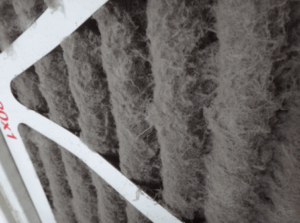
2. Is Your Air Filter Clogged?
The air filter is the lungs of your HVAC system. Its job is to trap dust and debris, but if it gets too dirty, it restricts the airflow your AC needs to function.
When airflow is restricted, your system has to work twice as hard to pull in air. This can lead to the evaporator coils getting too cold, which eventually leads to a complete system shutdown or warm air circulation.
- Inspection: Pull out your filter and hold it up to a light. If you can’t see light through it, it’s time for a change.
- Frequency: We recommend changing your filters every 30 to 90 days depending on whether you have pets or allergies.
3. Did a Circuit Breaker Trip?
Your AC system actually uses two different power sources: one for the indoor unit (the air handler) and one for the outdoor unit (the condenser).
If the breaker for your outdoor unit trips, the indoor fan will still blow air, but because the outdoor unit isn’t running, the refrigerant isn’t being cooled. The result? A steady stream of room-temperature air.
- The Diagnostic: Go to your electrical panel and look for switches labeled “AC” or “Condenser.”
- The Fix: If the switch is in the middle or “Off” position, flip it all the way off and then back to “On.”
- Pro Tip: If the breaker trips again immediately, do not keep resetting it. This indicates a deeper electrical issue that needs a professional inspection to prevent a fire hazard.
4. Is the Outdoor Condenser Unit Blocked?
The outdoor unit’s job is to “dump” the heat it gathered from inside your home. It does this by pulling air through the metal fins on the sides of the unit.
If the unit is smothered by overgrown bushes, tall grass, or even a build-up of “cottonwood” fuzz and dirt, it can’t release that heat. This causes the system to overheat and lose its cooling capacity.
- Clear the Perimeter: Ensure there is at least 2 feet of clear space around the entire unit.
- Gently Clean: Turn off the power and use a garden hose (never a pressure washer!) to gently rinse away dirt and debris from the fins.
5. Are Your Evaporator Coils Frozen?
It seems counterintuitive that your AC would blow warm air because it’s “too cold,” but frozen coils are a very common problem. If you see ice on the copper lines leading into your indoor unit, your coils are likely a block of ice.
Ice acts as an insulator, preventing the refrigerant from absorbing heat from your home’s air.
- The Cause: Usually caused by restricted airflow (dirty filter) or low refrigerant.
- The Diagnostic: Turn the system off at the thermostat and let it thaw completely. This can take several hours.
- The Warning: Once thawed, if the ice returns quickly, you likely have a refrigerant leak that requires a licensed technician.
6. Is There a Refrigerant Leak?
Refrigerant is the substance that actually carries the heat out of your home. Contrary to popular belief, refrigerant is not “used up” like gasoline in a car, it actually circulates in a closed loop.
If your refrigerant is low, it means you have a leak. Low refrigerant levels lead to poor cooling and can eventually destroy your compressor.
- Signs of a Leak:
- Hissing or bubbling noises near the AC unit.
- Ice buildup on the refrigerant lines.
- Significantly higher energy bills.
- Why You Need a Pro: Handling refrigerant requires EPA certification. A technician from Magic Electric, Plumbing, Heating & Air can find the leak, repair it, and “recharge” the system to the manufacturer’s specifications.

7. Has a Capacitor or Compressor Failed?
If you’ve checked the steps above and your outdoor unit is still refusing to kick on, you might be looking at a failed component.
The capacitor is like a giant battery that gives the motors the “kick” they need to start. If it’s “blown” (it will often look swollen or burnt), the unit won’t start. The compressor is the heart of the system. If it fails, the refrigerant can’t move through the system.
- Unusual Sounds: If you hear a loud buzzing or humming coming from the outdoor unit without the fan spinning, it’s likely a bad capacitor.
- Grinding Noises: Grinding or clanking usually indicates a mechanical failure in the compressor.
Why Choose Magic Electric, Plumbing, Heating & Air?
When DIY troubleshooting isn’t enough, you need a team you can trust. At Magic Electric, Plumbing, Heating & Air, we specialize in getting your home back to its comfortable state as quickly as possible.
Our technicians are known for their “Magic” touch, which really just means we combine years of expertise with a commitment to honest, upfront pricing. We arrive in fully stocked vans so we can often solve your problem the very same day. Whether it’s a simple electrical fix or a complex HVAC repair, we’ve got you covered.
Conclusion
An AC blowing warm air is a sign that your system is struggling. By following this 7-step diagnostic, you can rule out the easy fixes and gather valuable information for your technician if a repair is needed.
Don’t spend another minute sweating in your own living room. If your AC is acting up, reach out to the experts who understand Idaho homes inside and out.
Contact Magic Electric, Plumbing, Heating & Air today for all your HVAC, plumbing, and electrical repair needs. We’ll help you “Believe in Magic” again!
AC Blowing Warm Air Frequently Asked Questions
How often should I change my AC air filter?
For most homes, we recommend changing the filter every 1 to 3 months. If you have pets, live in a dusty area, or have family members with allergies, you should check it every 30 days.
Can I recharge my own AC refrigerant?
No. Refrigerant is a hazardous substance regulated by the EPA. It requires specialized tools to measure and handle safely. Attempting to DIY a refrigerant recharge can damage your system and is illegal without proper certification.
Why is my AC unit outside making a loud buzzing noise?
A loud buzzing noise often points to an electrical issue, such as a failing capacitor or a stuck contactor. It could also mean the compressor is trying to start but is unable to. You should turn the system off and call for service to prevent further damage.
Should I turn off my AC if it’s blowing warm air?
Yes. If your AC is blowing warm air, it’s likely running constantly without cooling the house. This puts immense strain on the compressor and can lead to a much more expensive repair if left running.
Why are my AC coils freezing in the summer?
Coils usually freeze due to restricted airflow (dirty filters or blocked vents) or low refrigerant. When the heat from your home isn’t properly absorbed, the refrigerant gets too cold and turns the condensation on the coils into ice.