
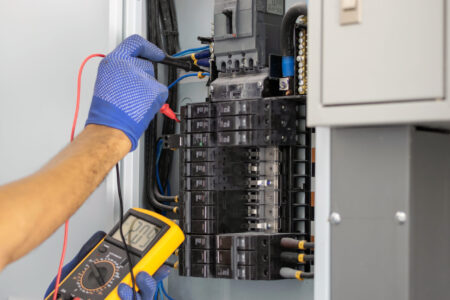
Your home’s electrical panel is the unsung hero of your residence, quietly managing every appliance, light, and device you use. While you might only interact with it to flip a tripped breaker, this central box is arguably the most important safety component in your entire electrical system. Unfortunately, many homes today are running on outdated panels that are struggling, or even failing, to keep up with 21st-century power demands. Ignoring the warning signs of an aging panel is a massive gamble, as an overloaded or faulty system increases the risk of an electrical fire.
Modern life requires robust electricity, from central air conditioning to powerful EV chargers, all of which put immense stress on an older grid. Recognizing the early warnings of an outdated breaker panel is the first step toward protecting your family and your property. If any of the following signs look familiar, an Old Panel Upgrade is not just an item on a maintenance list, it’s a necessary investment in your family’s safety. Magic Electric, Plumbing, Heating & Air is here to ensure your home’s electrical foundation is safe, reliable, and up to code.
What Exactly Is Your Home’s Electrical Panel and Why Does It Matter So Much?
The electrical panel, also known as a service panel, breaker box, or load center, is the central distribution point for your home’s power. It’s the place where utility electricity enters your home and is safely divided into multiple circuits. This unit manages and directs the electricity to every light switch, outlet, and appliance.
The panel’s primary function is to protect the wiring within your walls and the devices plugged into your outlets. It does this using circuit breakers, which are small, specialized safety switches. Should any individual circuit draw too much electricity (a condition known as an overload), the corresponding breaker will instantly “trip.” This action cuts power to the circuit, preventing the wires from overheating and potentially melting their insulation, which is the cause of most electrical fires.
How Long Do Electrical Panels Typically Last Before They Need Replacing?
Despite their heavy-duty appearance, electrical panels are complex pieces of equipment with a finite lifespan. They are not built to last indefinitely, and their ability to protect your home diminishes significantly over time. Electrical experts generally agree that a residential panel should be considered for replacement once it reaches an age of 25 to 40 years.
Once a panel hits that critical age range, two major issues arise internally. First, the mechanical components within the individual circuit breakers can wear out, making them slow or entirely incapable of tripping when necessary. Second, the connections inside the box can suffer from corrosion or loosening due to years of heating and cooling cycles. If you reside in a home built before 1985, or if your service is still based on an old-fashioned fuse box, your system is likely past its prime. An aged panel presents a silent, increasing hazard that only a professional inspection and potential Old Panel Upgrade can fully address.
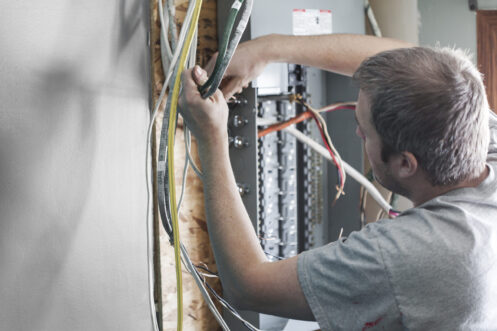
What Are the Most Obvious Physical Signs of a Failing or Outdated Breaker Panel?
Your electrical system is surprisingly communicative when it’s struggling, often giving off clear physical warnings that demand your attention. These visible and audible symptoms are not minor glitches. When you observe these signs, your panel is telling you that its ability to safely distribute and interrupt power is compromised.
Be vigilant about these key indicators near your electrical panel or throughout your home:
- Frequent Circuit Breaker Tripping: While an occasional trip means a breaker is working correctly, repetitive trips on the same circuit point to consistent overloading. This is the panel’s way of signaling that it cannot safely meet the power demands of that circuit.
- Flickering or Dimming Lights: If your lights noticeably dim or flicker when a major appliance, such as the clothes dryer or furnace, kicks on, it suggests an issue with the service capacity. It means the entire electrical system is struggling to balance the load of that sudden power draw.
- Buzzing, Crackling, or Sizzling Sounds: Your breaker box should be silent when operating. Any unusual noise, especially a buzzing or crackling sound, is a high-risk symptom. These sounds typically indicate arcing electricity, loose wiring, or overheated connections inside the panel.
- A Burning Odor or Noticeable Warmth: The smell of burnt plastic, rubber, or wiring near the panel is an emergency sign of extreme overheating. Similarly, if the panel cover or breakers are warm to the touch, serious internal damage is occurring.
- Physical Rust or Corrosion: Panels in basements, laundry rooms, or damp garages are susceptible to moisture intrusion. Rust on the metal interior, bus bars, or terminals hinders electrical flow and can prevent breakers from tripping when they should.
- Outlets That Are Warm or Discolored: If certain outlets or the surrounding wall plate feel warm, or if you see brown or black discoloration, it indicates excessive resistance and heat buildup. This is a fire risk originating from insufficient wiring or an overloaded circuit from the panel.
- Still Using an Old Fuse Box: While structurally different, a fuse box is the predecessor to a circuit breaker panel. They are nearly always rated at only 60 amps, which is critically insufficient for any modern home.
Why Do I Need More Power Capacity Than My Older Home Currently Has?
The electrical requirements of a home have undergone a revolution since the mid-20th century. A house built in 1965 with a standard 100-amp service simply was not designed to power today’s array of sophisticated, high-draw appliances. The increasing density of technology means that modern family homes typically require double the capacity of their predecessors.
Upgrading your electrical service capacity is no longer a luxury. It’s a necessity driven by modern living. Today, a typical modern home should have a 200-amp service panel installed to handle the cumulative demand safely.
Modern Residential Loads That Overwhelm Old Panels
- Heating and Cooling Systems: Modern central air conditioning, heat pumps, and high-efficiency furnaces require dedicated circuits with significant amperage ratings.
- Electric Vehicle (EV) Chargers: The increasingly common Level 2 home EV charger typically demands a continuous 40- to 50-amp circuit. This single item can instantly max out the capacity of an older 100-amp service.
- Gourmet Kitchens: Appliances like induction cooktops, dual ovens, high-speed dishwashers, and trash compactors each require their own powerful circuits.
- Dedicated Technology Areas: Home offices, media rooms, and server racks are common features today, placing a high, constant electrical load on the system.
- Outdoor Amenities: Adding a hot tub, a large pump for a swimming pool, or a detached garage with heavy power tools all require circuits that an old panel usually cannot support.
Understanding Your Amperage Needs
Electrical service sizes are measured in amperes (amps), which indicate the maximum power load your panel can safely handle. If your home currently has a service of 60 amps, it’s considered outdated and unsafe for modern use. A 60-amp panel, often found with fuse boxes or in homes built pre-1960s, can’t run major appliances like air conditioning and a dryer simultaneously. This size demands an immediate upgrade.
For homes built between the 1960s and 1980s, 100 amps was the standard. While functional, 100 amps is now considered the bare minimum and is often insufficient. It leaves virtually no reserve capacity for home improvements.
The current electrical standard for new residential construction and highly recommended upgrade for existing homes is 200 amps. This robust service size provides ample power buffer and circuit space for all standard modern appliances, ensuring safety and reliability. Even 150 amps, while acceptable for smaller homes, can prove restrictive if you anticipate adding high-demand systems like an EV charger or a significant home addition. Choosing 200 amps ensures your system is truly future-proofed.
Are Certain Brands or Types of Old Breaker Panels Inherently Dangerous?
A critical part of assessing your electrical safety involves identifying the manufacturer and type of your panel. Unfortunately, a few specific brands and product lines from past decades are known throughout the industry for catastrophic design and manufacturing flaws. These panels are not simply old; they are structurally defective and pose a systemic risk.
If your panel falls into one of these categories, replacement should be considered an urgent safety measure. These panels fail at their most fundamental task: protecting your home from fire.
The Most Notorious Defective Panels
- Federal Pacific Electric (FPE) “Stab-Lok” Panels: This is arguably the most infamous hazardous panel in American homes. Internal tests have repeatedly shown that FPE Stab-Lok circuit breakers can fail to trip (turn off) when subjected to an overload or short circuit. The failure rate can be alarmingly high for some common models. When the breaker fails to trip, the electrical current continues to flow, overheating the circuit wires until the insulation melts and combustion occurs, leading directly to a house fire. The red trip switches are a common visual identifier.
- Zinsco / Sylvania Panels: Zinsco (later GTE-Sylvania) panels utilized a unique design that proved dangerously susceptible to corrosion and failure. The aluminum bus bars within the panel are prone to corrosion and can lose solid contact with the individual circuit breakers. Over time, the breakers can effectively weld themselves to the bus bar. If a Zinsco breaker welds itself, it loses all ability to interrupt the circuit, leading to severe overheating inside the panel and external scorch marks.
- The Penny Fuse Scenario (Fuse Boxes): The danger with older fuse boxes lies less in the box itself and more in user error and misuse. Homeowners often unknowingly (or intentionally) bypass the safety function by replacing a blown fuse with one of a higher amperage rating. Even worse, some homeowners resort to inserting a piece of metal, like a copper penny, to avoid changing the fuse. Tampering with fuses removes the circuit protection entirely, allowing far too much current to flow through wiring intended only for a low-amperage load, which is a direct pathway to an electrical fire.
What Happens During a Professional Electrical Panel Upgrade?
An Old Panel Upgrade is a complex procedure that requires specialized knowledge, adherence to strict safety protocols, and coordination with local utility companies. This work must be completed by a licensed, certified, and insured electrician, like those at Magic Electric, Plumbing, Heating & Air. Attempting a DIY panel replacement is illegal, incredibly dangerous, and can void your insurance policy.
The professional upgrade process is thorough, meticulous, and ensures compliance with all local codes:
Phase 1: Assessment and Preparation
- System Inspection: The Magic Electric, Plumbing, Heating & Air technician conducts a full load calculation, reviewing your current appliances and future needs.
- Permitting: The necessary permits are filed with the local building department. This step ensures the job is formally inspected and verified for code compliance upon completion.
- Utility Coordination: The technician coordinates with your utility provider to schedule a temporary service disconnection, ensuring that work on the main power lines is safe.
Phase 2: Removal and Installation
- Shut Down: Power is safely and completely shut off from the utility side.
- Old System Removal: The old breaker panel, its components, and often the meter socket and service entrance cable are safely removed.
- New Panel Installation: A new, larger 200-amp rated panel is securely mounted, wired, and connected to the main service lines.
- Modern Components: New, high-quality circuit breakers are installed. This includes installing AFCI and GFCI breakers where required by current code to maximize fire and shock protection.
Phase 3: Finalizing and Verification
- Grounding and Bonding: The electrician ensures the critical grounding and bonding systems are fully updated to meet current safety standards, diverting stray electricity safely.
- Power Restoration: Once the new panel is secured and fully tested, the utility company restores power to the system.
- Final Inspection: The work is formally inspected by the local building inspector, who verifies that all components meet current safety and capacity codes.
Will an Outdated Electrical Panel Affect My Homeowner’s Insurance?
Yes, an outdated electrical panel is frequently a point of contention with homeowner’s insurance providers. Insurance companies are highly focused on minimizing the risk of fire and major property damage, making the condition of your home’s main electrical system a top underwriting concern. An obsolete panel directly translates to higher risk in their actuarial models.
Here is the significant impact an old or hazardous panel can have:
- Underwriting Refusal: Many insurance carriers have explicit policies against insuring homes that contain known high-risk panels, such as Federal Pacific Electric (FPE) or Zinsco. They may refuse to issue a policy outright based on this information alone.
- Non-Renewal or Cancellation: If an inspection reveals a dangerous panel on an existing policy, the company may issue a non-renewal notice. This notice often requires the homeowner to replace the panel by a certain date or risk cancellation of their entire policy.
- Increased Premiums: Even if coverage is granted, an outdated but non-hazardous panel (like a 100-amp service in a large home) may result in significantly higher annual premiums. This is the insurance company’s way of offsetting the perceived elevated fire risk.
- Appraisal and Sale Value: During a home sale, the presence of an outdated panel will always be noted by the home inspector. The buyer’s lender will often require an Old Panel Upgrade as a condition of financing, effectively becoming a mandatory repair for the seller before closing.
By proactively upgrading to a new, code-compliant panel, you remove a major liability, often qualifying for better insurance rates, and maintaining the full insurability and market value of your property.
How Can a Panel Upgrade Prepare My Home for Future Technology?
Investing in an Old Panel Upgrade is one of the most effective ways to future-proof your home. In addition to current safety needs, a new 200-amp panel ensures your electrical system has the necessary reserve capacity and physical space for technology that is rapidly becoming standard. Planning for future growth prevents expensive, disruptive work down the road.
A new electrical panel from Magic Electric, Plumbing, Heating & Air provides future-proofing in two key areas:
1. Robust Capacity (Amperage)
- The transition to a 200-amp main service provides a massive power buffer, ensuring that adding new high-draw technologies does not overload the system.
- This reserve power is essential for future energy efficiency projects, such as transitioning entirely to high-efficiency electric appliances.
- It also supports the installation of a comprehensive solar power system or the addition of a second EV charger.
2. Physical Space (Breaker Slots)
- Modern panels are typically designed with double the physical space for breakers compared to older units.
- This ample space allows for easy future additions of dedicated circuits.
- Future circuits are necessary for items like a transfer switch for a whole-house generator or a whole-house surge protector.
- The space also accommodates the eventual need to add sub-panels in finished spaces like a basement or attic.
By upgrading now, you’re making a smart long-term investment. You secure the safety of your current system and guarantee that your home can seamlessly adapt to the ever-evolving electrical demands of the modern world.
Conclusion
The safety and reliability of your home are only as strong as its electrical foundation. An outdated, damaged, or capacity-limited breaker panel is a silent hazard that threatens not only your ability to run modern appliances but, more importantly, the safety of your loved ones and your property. Whether you are dealing with the frustration of frequently tripping breakers, the danger of buzzing sounds, or the known liability of a brand like Federal Pacific, the signs demanding an Old Panel Upgrade are clear.
Don’t postpone the peace of mind that comes with a safe, code-compliant electrical system. The certified, professional electricians at Magic Electric, Plumbing, Heating & Air specialize in efficient, guaranteed panel upgrades. We handle everything from the initial inspection and permitting to the final utility connection, offering upfront pricing and expert solutions. Contact Magic Electric, Plumbing, Heating & Air for your plumbing and electrical repair needs and take the essential step toward securing your home’s electrical future today.
Breaker Panel: Frequently Asked Questions (FAQ)
Is it safe to replace an old fuse box with new circuit breakers?
Yes, replacing an old fuse box with a modern circuit breaker panel is one of the most important electrical safety upgrades you can perform. Fuse boxes are typically limited to 60-amp service, which is dangerously inadequate for modern electricity usage and often tempts residents to install oversized fuses, creating a major fire hazard. A professional upgrade to a 200-amp circuit breaker panel ensures your home meets current safety codes, accommodates all your appliances safely, and provides superior, reliable protection against overloads and short circuits.
How long does an electrical panel upgrade take to complete?
A standard residential electrical panel upgrade typically takes between 8 to 12 hours to complete, though this can vary based on the complexity of the existing infrastructure and the extent of the service cable replacement. The process requires coordinating with the utility company to safely shut off the power to the home’s main service. A professional technician from Magic Electric, Plumbing, Heating & Air will manage the entire project efficiently to minimize the power outage time while ensuring every step meets the highest safety and code standards.
What is the difference between an AFCI and a GFCI circuit breaker?
Both AFCI and GFCI breakers are essential safety devices required by modern electrical codes, but they protect against different types of dangers. GFCI (Ground-Fault Circuit Interrupter) protects people from severe or fatal electric shock by detecting small, unintended flows of current (ground faults). AFCI (Arc-Fault Circuit Interrupter) protects against house fires by detecting dangerous electrical arcs caused by damaged wiring, loose connections, or pierced cables. AFCI protection is generally required in dry living areas, while GFCI is required in wet areas like kitchens, bathrooms, and outdoors.
Does upgrading my electrical panel increase the value of my home?
Absolutely. Upgrading your electrical panel provides several compelling benefits that positively impact your home’s value and marketability. First, it eliminates the major safety liability associated with old or dangerous panels (like FPE or Zinsco), making the home easier and cheaper to insure. Second, it demonstrates to prospective buyers that the home is future-ready, with the 200-amp capacity needed for modern amenities like EV chargers and central air. A new panel is a major selling point that signifies a safe, reliable, and well-maintained property.
Should I upgrade to a 150-amp or 200-amp service?
For nearly all modern residential homes, the current industry standard and strongest recommendation is to upgrade to a 200-amp service. While 150 amps may seem sufficient for today, it offers little to no buffer for future growth (e.g., adding solar, a hot tub, or an EV charger). Choosing 200 amps ensures your system has the capacity and breaker space required for any future renovations or high-demand appliance additions without needing another costly service upgrade in a few years.