
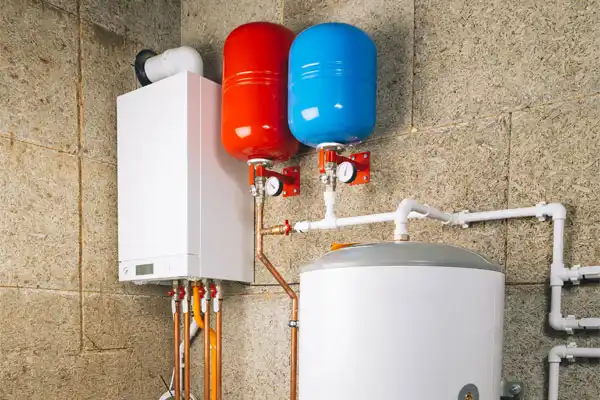
Choosing a tankless water heater for your home was a smart, forward-thinking investment. You upgraded to endless hot water, a reduced utility bill, and the peace of mind that comes with owning a system designed to last two decades or more. However, achieving that promised lifespan and energy efficiency isn’t possible without routine maintenance.
Think of your tankless unit as a high-performance sports car: it delivers incredible results, but it requires specialized, professional upkeep. Skipping that annual service isn’t just a minor oversight; it’s a shortcut to premature system failure and some of the most expensive plumbing repairs a homeowner can face. The core principle is simple: tankless water heater maintenance directly reduces plumbing repairs.
In this comprehensive guide, we’ll dive deep into the essential link between yearly maintenance and repair prevention. We’ll uncover the silent enemy lurking inside your unit and detail exactly how the pros at Magic Electric, Plumbing, Heating & Air leverage professional descaling to keep your hot water flowing perfectly and your plumbing system safe. If you want your tankless unit to deliver its promised 20-year lifespan, keep reading.
What Are the Main Concepts Central to Tankless Water Heater Longevity?
Understanding how tankless water heater maintenance prevents repairs starts with identifying the key players in your home’s hot water system. The longevity and reliability of your system depend on the health of these components and the processes that manage them.
The entire relationship hinges on these seven entities and concepts:
1. Tankless Water Heater (TWH)
- Key Attributes: These units heat water instantaneously, or “on demand,” resulting in superior energy efficiency (often 24% to 34% higher) compared to traditional tank models. They have a compact design, a projected lifespan of 20+ years, and rely on complex electronic components like circuit boards and flow sensors to manage operation.
- Relationship: The TWH is the central appliance whose lifespan and performance are directly affected by the quality of the water it processes and the frequency of professional maintenance.
2. Maintenance
- Key Attributes: This is a proactive, preventative service, typically recommended annually, or semi-annually in areas with very hard water. Key tasks include flushing the system (descaling), cleaning the inlet water and air filters, and inspecting critical components.
- Relationship: Maintenance is the necessary action that mitigates the damaging effects of Mineral Scale, directly preventing the need for costly Plumbing Repairs.
3. Plumbing Repairs
- Key Attributes: These are reactive, costly fixes caused by system failure, neglect, or component wear. Common tankless repairs involve replacing the heat exchanger, electronic circuit boards, or flow sensors. These repairs often require specialized diagnostic equipment and training.
- Relationship: Plumbing Repairs are the negative outcome that Maintenance is designed to avoid. The high cost of TWH parts makes preventing repairs much more financially beneficial than dealing with them.
4. Mineral Scale / Hard Water
- Key Attributes: Hard water contains high concentrations of dissolved minerals, primarily calcium and magnesium. When this water is heated rapidly inside the TWH, these minerals precipitate and solidify, forming “scale” or lime deposits. This scale acts as an insulator and obstructs flow.
- Relationship: Mineral Scale is the primary antagonist that destroys the efficiency and internal components of the TWH. It directly attacks the Heat Exchanger, leading to system degradation and the necessity of immediate Plumbing Repairs.
5. Heat Exchanger
- Key Attributes: This is the core, labyrinthine component inside the TWH where the actual heating takes place. It transfers heat from the gas burner or electric element directly to the flowing water. It is the most critical and expensive proprietary part of the system.
- Relationship: The Heat Exchanger is the main target of Mineral Scale. As scale builds up on its surface, its efficiency plummets, and without regular descaling, it can corrode, crack, and fail, necessitating a major Plumbing Repair or unit replacement.
6. Manufacturer Warranty
- Key Attributes: This is the legal guarantee provided by the manufacturer (e.g., Navien, Rinnai, Rheem) that protects the homeowner’s investment against parts and defects. Most tankless manufacturers explicitly require documented annual professional maintenance to keep the warranty valid.
- Relationship: Maintenance is a condition of the Warranty. Skipping maintenance voids the Warranty, leaving the homeowner fully responsible for the substantial costs of any subsequent major Plumbing Repairs.
7. Magic Electric, Plumbing, Heating & Air
- Key Attributes: A local, licensed, and insured service provider specializing in complex home systems, including tankless water heater installation, maintenance, and repair across the Boise and Twin Falls areas. They provide the specialized tools and expertise needed for safe and effective descaling.
- Relationship: Magic Electric, Plumbing, Heating & Air is the crucial mediator that performs Maintenance, ensures Warranty compliance, and prevents the systemic damage caused by Mineral Scale, thereby ensuring the TWH runs reliably and reduces the client’s long-term Plumbing Repair costs.
Why is Mineral Scale the Primary Threat to the Tankless System?
Mineral scale is the single biggest enemy of your tankless water heater, and its impact is disproportionately severe in these systems compared to traditional tank models.
How does mineral scale damage the heat exchanger?
- The tankless water heater is designed to heat water instantly as it flows through the Heat Exchanger.
- This rapid, high-temperature environment causes the dissolved calcium and magnesium minerals in hard water to precipitate quickly, turning from liquid particles into solid deposits.
- These deposits cling to the interior walls of the heat exchanger tubes, which are constantly exposed to the hottest temperatures.
- Even a thin layer of scale acts like an insulating barrier between the hot metal of the exchanger and the water flowing inside.
- Because the heat cannot transfer efficiently, the unit’s burner stays on longer and works harder to achieve the set temperature.
- This constant overwork drastically reduces the unit’s energy efficiency, inflating your utility bills, and stressing other components like the gas valve and fan.
- More dangerously, the excessive heat trapped by the scale can cause localized overheating and cracking of the exchanger material itself.
- Damage to the heat exchanger is the most common cause of premature tankless water heater failure and is almost always a prohibitively expensive plumbing repair.
What happens when scale builds up elsewhere?
- Scale isn’t limited to the heat exchanger; it also affects the flow sensors and the water inlet filter.
- The flow sensor is a precise electronic component that tells the unit when water is running, triggering the heating process.
- If scale restricts the water flow passing the sensor, the unit might register insufficient flow, causing it to fail to ignite, resulting in a sudden cold shower.
- Scale buildup also reduces water pressure across the entire hot water side of your home.
- Over time, hardened scale can break off and travel downstream, potentially blocking faucets, showerheads, and other household plumbing fixtures, requiring minor but annoying plumbing fixes.
- In short, scale turns a highly efficient, durable appliance into an overworked, inefficient repair magnet.
Why is Annual Descaling and Flushing the Most Crucial Maintenance Task?
The professional flushing, or descaling, procedure is the bedrock of tankless water heater maintenance because it directly addresses the number one cause of failure: mineral scale buildup. This is a task that professional plumbers are uniquely equipped to handle safely and effectively.
How does a professional flush work?
- Isolation: A qualified technician, such as one from Magic Electric, Plumbing, Heating & Air, will first shut off the gas/power and water supply to the unit.
- Hose Connection: Specialized isolation valves are used to connect a submersible pump, a reservoir bucket (usually 5 gallons), and a set of hoses to the unit’s service ports (hot and cold water lines).
- Descaling Solution Circulation: A professional-grade, mild acidic solution (often food-grade vinegar or a proprietary chemical descaler) is poured into the bucket. The pump then circulates this solution continuously through the heat exchanger for approximately 30 to 60 minutes.
- Dissolving Scale: The acidic solution dissolves the lime and calcium deposits that have hardened inside the heat exchanger and piping. The circulation ensures that the solution reaches every internal surface.
- Rinsing and Restoration: Once the descaling is complete, the pump and solution are removed. The system is then thoroughly flushed with fresh, clean water to remove all traces of the descaler and dissolved minerals.
- Inspection and Testing: The technician will restart the unit, check the gas pressure, confirm the unit heats properly, and ensure there are no leaks.
How does flushing stop major plumbing repairs?
- Restores Thermal Transfer: By removing the insulating scale layer, flushing immediately restores the heat exchanger’s ability to efficiently transfer heat. The unit runs for shorter periods and uses less fuel, taking stress off the burner assembly.
- Prevents Component Damage: Removing the scale prevents overheating, which is the leading cause of heat exchanger cracking and premature failure. Since replacing the heat exchanger can cost $500 to $1,500 or more just for the part, this single maintenance step prevents the most expensive plumbing repair possible.
- Maintains Flow Rate: Descaling clears restricted pathways in the pipes and heat exchanger coils, restoring the full flow rate and pressure that the unit was designed to deliver. This prevents problems like intermittent hot water or system lockout due to low flow errors.
What Other Maintenance Tasks Prevent Failures of Electronic and Gas Components?
While descaling is paramount, a comprehensive maintenance routine involves several other checks that prevent electrical and gas-related failures, protecting your high-tech investment from costly proprietary part replacement.
What role do filters play in preventing system damage?
- Water Inlet Filter Cleaning: Tankless units typically have an inlet screen or filter on the cold water line. This is the unit’s first line of defense, catching large sediment, dirt, and debris before they can enter and damage the sensitive internal valves and heat exchanger. If this filter clogs, water flow is severely restricted, leading to reduced hot water output or a complete system shutdown. Cleaning this filter annually ensures optimal water flow and pressure.
- Air Intake Filter Cleaning (Gas Units): Gas-powered tankless water heaters require a precise air-to-fuel ratio for clean combustion. They use an air filter to keep dust, lint, and airborne debris from entering the burner assembly. A clogged air filter starves the combustion chamber of oxygen, causing incomplete burning, reduced efficiency, and potential carbon monoxide issues. A professional cleaning of this filter maintains the proper air mixture, ensuring the burner operates safely and prevents potential gas valve or sensor failures that would require an expensive repair.
Why is inspecting the condensate trap critical?
- High-efficiency condensing tankless units produce acidic water as a byproduct of combustion. This is called condensate.
- The condensate trap collects this liquid and neutralizes its acidity before safely draining it away.
- If the condensate line or trap becomes clogged with sediment or scale, the acidic water can back up into the unit.
- This backup can cause corrosion damage to vital internal components and sometimes trigger error codes that shut the system down entirely, signaling an urgent plumbing repair need.
- Checking and cleaning the trap during maintenance is a quick step that prevents long-term corrosive damage.

How Does Neglecting Maintenance Immediately Void Your Warranty and Increase Costs?
One of the most practical reasons to schedule annual service with a professional like Magic Electric, Plumbing, Heating & Air is to safeguard your warranty. Failure to do so can convert a minor expense into a major financial risk.
Is maintenance mandatory for warranty coverage?
- Yes, for nearly all major tankless water heater manufacturers, regular professional maintenance is a requirement for their limited warranty to remain valid.
- Manufacturers know that scale buildup is the primary enemy. If the unit fails due to excessive scale, and the owner cannot produce proof of annual professional descaling, the manufacturer will deem the failure caused by neglect.
- This means the homeowner becomes responsible for the entire cost of the repair, even if the unit is still well within its advertised warranty period.
- The high-cost proprietary parts, such as a replacement heat exchanger or circuit board, are often the parts that fail due to neglected maintenance, leaving the homeowner with a multi-hundred or even multi-thousand dollar bill.
How does annual cost compare to replacement cost?
- The average professional tankless water heater maintenance service costs between $150 and $300, depending on location and system complexity.
- If this service is performed annually over a 20-year lifespan, the cumulative maintenance cost is minimal compared to the price of replacing the entire unit prematurely or funding a single catastrophic repair.
- A major repair like replacing the Heat Exchanger can cost $500–$1,500 for the part alone, plus specialized labor. Replacing a complex Electronic Circuit Board can range from $300 to $800+ installed.
- If a neglected unit fails and must be replaced prematurely after only 10 years, the cost of a new unit and installation (often $2,000 to $4,000) completely outweighs two decades of maintenance costs.
- Professional maintenance is therefore an insurance policy that ensures you realize the full, long-term financial benefits promised by the tankless technology.
What Specialized Expertise Does a Professional Plumber Offer That DIY Attempts Lack?
While some homeowners attempt a do-it-yourself flush using vinegar, the unique complexity and safety concerns of tankless water heaters, especially gas models, necessitate professional training. Trusting Magic Electric, Plumbing, Heating & Air ensures the job is done right and safely.
Why is professional diagnosis superior to DIY flushing?
- Specialized Diagnostics: A certified professional does more than just flush the system. They use specialized tools to check gas pressure, ensure proper venting, and interpret digital error codes displayed on the unit’s control board.
- Comprehensive Component Inspection: Technicians can inspect wear-and-tear on non-water related components, such as igniters, flame rods, burner assemblies, and the T&P (Temperature and Pressure) relief valve.
- Safety Assurance: For gas-fired units, maintenance involves working near gas lines and combustion systems. Improper handling can create serious carbon monoxide or fire hazards. A professional ensures that the venting is clear and that the unit is operating according to safety codes.
- Effective Descaling: Plumbers use professional-grade descaling solutions and high-powered pumps that are far more effective at dissolving stubborn, built-up scale than a simple DIY vinegar flush, especially if the unit hasn’t been serviced in several years.
- Warranty Compliance: Only a professionally maintained unit, documented with the service provider’s invoice and license information, satisfies the strict requirements of the manufacturer warranty.
How does professional maintenance extend the overall plumbing system lifespan?
- By maintaining your tankless unit at peak efficiency, you are preventing scale and sediment from moving into the rest of your home’s plumbing infrastructure.
- A healthy TWH means fewer mineral deposits accumulating in your hot water supply lines.
- It protects your faucets, shower valves, and appliance water inlets from becoming clogged with debris caused by a failing or scaled-up heater.
- Professional maintenance prevents localized issues from escalating into major household plumbing emergencies, such as pipe corrosion caused by acidic water backup or unexpected leaks from a failed component.
Conclusion
The decision to install a tankless water heater was a major step toward optimizing your home’s efficiency and comfort. However, realizing the promise of a 20-year lifespan, continuous hot water, and long-term cost savings depends entirely on a non-negotiable step: annual professional maintenance.
Ignoring this routine service invites the silent and costly damage caused by mineral scale, which can rapidly erode efficiency, void your manufacturer warranty, and ultimately lead to the premature and expensive failure of critical components like the heat exchanger and electronic circuit boards. Maintenance is an investment that drastically reduces the probability of requiring emergency plumbing repairs.
Protect your investment and your peace of mind. For expert tankless water heater maintenance, repair, and installation, trust our highly skilled team at Magic Electric, Plumbing, Heating & Air.
Contact Magic Electric, Plumbing, Heating & Air for your plumbing and electrical repair needs, and let us ensure your tankless water heater runs flawlessly for decades to come.
Tankless Water Heater Maintenance: Frequently Asked Questions (FAQ)
How often should I have my tankless water heater professionally flushed?
The frequency of professional flushing depends primarily on the hardness of your local water supply. In general, manufacturers recommend an annual flush, or once every 12 months. If you live in an area with particularly hard water (high mineral content, like many areas in the Boise region), or if you use well water, you may need maintenance and descaling every six to nine months to prevent excessive scale buildup that can quickly damage the heat exchanger. A professional plumber from Magic Electric, Plumbing, Heating & Air can test your water and recommend a tailored maintenance schedule.
What are the major signs that my tankless water heater needs maintenance or repair?
You should schedule service immediately if you notice any of these key indicators:
- Reduced or Fluctuating Hot Water Temperature: This is a classic sign of scale buildup restricting heat transfer.
- Reduced Water Flow/Pressure: Scale deposits inside the heat exchanger or clogged filters restrict the amount of water flowing through the unit.
- Strange Noises: Popping, kettling, or rumbling sounds often indicate mineral deposits are cracking and shifting inside the unit as the water heats.
- Error Codes on the Digital Display: Modern tankless units are smart; an error code signals a specific internal problem, often related to flow restriction or combustion issues.
- Increased Energy Bills: A scaled-up unit is inefficient, forcing it to burn more fuel to heat water, leading to noticeable increases in your utility costs.
Can I perform the tankless water heater flush myself?
While it is technically possible to perform a basic flush using household white vinegar and a pump, it is highly recommended to use a professional plumber for annual maintenance. Professionals use commercial-grade descaling solutions and specialized pumps that are more effective at removing stubborn scale. A professional plumber also checks complex, proprietary components, such as gas pressure, venting, and electronic sensors, which are necessary to comply with safety codes and validate your unit’s manufacturer warranty. Improper DIY attempts can void your warranty or introduce safety risks.
How much energy does a maintained tankless water heater save compared to a traditional tank?
When properly maintained, a tankless water heater can be 24% to 34% more energy efficient than a traditional storage-tank water heater. This efficiency comes from the fact that tankless units eliminate “standby heat loss” by only heating water when a faucet is opened. However, if the unit is neglected and scale builds up, this efficiency advantage quickly disappears. Regular professional maintenance ensures the unit operates at peak efficiency, maximizing your long-term energy savings.
Does skipping maintenance void my warranty on the unit?
Yes, failing to provide proof of required maintenance is the most common reason tankless manufacturers deny warranty claims. Most manufacturers explicitly state that annual professional servicing, which includes descaling, is required to maintain the warranty. If a costly component (like the heat exchanger) fails due to scale buildup (which is preventable through maintenance), the manufacturer is highly likely to refuse to cover the repair or replacement, leaving you with the full bill.