

Imagine this: It’s the middle of a classic Boise winter storm. The wind is howling, the snow is piling up, and suddenly, the house goes pitch black. You wait for the familiar hum of your standby generator to kick in… but nothing happens.
We know how frustrating and stressful it is when your backup plan fails. In Idaho, where the weather can be severe and unpredictable, a working generator isn’t just a luxury, it’s often a necessity for safety and comfort. Whether you’re dealing with a whole-home standby unit that won’t start or a system that’s making strange noises, you need a solution fast.
At Magic Electric, Plumbing, Heating & Air, we understand the urgency of keeping your power on. We’re your local experts for home generator repair in Boise, ensuring that when the grid goes down, your home stays up and running.
Why Is My Generator Not Working Properly?
Generators are complex machines that marry an internal combustion engine with high-voltage electrical components. Because they sit idle for long periods, problems can go unnoticed until the moment you need power. Identifying problems early can save you from a complete blackout.
Here are the most common signs that your generator needs professional attention:
- No Electricity Generation: The engine might be running, but if the lights aren’t coming on, the unit isn’t producing power. This could be a breaker issue or a more complex internal electrical fault.
- Start-Up Delays: A healthy generator should kick in within seconds of a power outage. If yours is hesitating, coughing, or taking several attempts to start, the battery or starter may be failing.
- Visible Damage: Rust, corrosion, frayed wires, or cracks in the housing are clear indicators that the elements have taken a toll on your unit.
- Fluid Leaks: Puddles of oil, coolant, or fuel around the base of your unit are serious fire hazards and mechanical issues waiting to happen.
- Foul Smells: A burning odor suggests electrical overheating, while a rotten egg smell could indicate a dangerous gas leak.
- Odd Noises: Clanking, banging, or squealing sounds are not normal. These usually point to loose or broken mechanical parts inside the engine.

What Are the Most Common Generator Problems We Fix?
When our technicians arrive at your home in Boise, they perform a comprehensive diagnostic to pinpoint the exact issue. We don’t just guess; we test. Over the years, we’ve seen it all, but some issues arise more frequently than others.
Dead Batteries
Believe it or not, battery failure is the number one reason standby generators fail to start. Just like a car battery, generator batteries lose their charge over time (usually every 2-3 years). If the battery is dead, the automatic starter can’t engage the engine when the power cuts out.
Fuel System Issues
Old fuel is a generator killer. If you have a diesel or gasoline model, fuel can degrade and clog the carburetor or injectors if it sits for too long without stabilizers. Even natural gas and propane units can suffer from blocked lines or faulty valves that prevent the fuel from reaching the engine.
Low Coolant or Oil Levels
Most modern generators have safety sensors that automatically shut the unit down if oil or coolant levels get too low. This prevents the engine from seizing up, but it also leaves you without power. Leaks or simple neglect are usually the culprits here.
Control Board Glitches
The “brain” of your automatic standby generator is its control panel. If this circuit board malfunctions, the generator won’t know when the power is out, or it might display error codes that prevent operation.
Why Should You Hire a Professional for Generator Repair?
You might be handy around the house, but generator repair is one area where DIY is rarely a good idea. There are significant risks involved that go beyond voiding your home warranty.
Safety First
Generators produce high-voltage electricity and deadly carbon monoxide gas. A mistake in wiring can lead to electrocution or fire. Improper repair can cause “back-feeding,” which sends electricity back down the utility lines, potentially injuring or killing utility workers trying to fix the grid.
Accurate Diagnostics
Modern generators are equipped with complex sensors and logic boards. Without the proper diagnostic tools, you might replace a perfectly good battery when the real problem is a faulty voltage regulator. Our technicians at Magic Electric, Plumbing, Heating & Air have the training and equipment to diagnose the root cause accurately.
Protecting Your Investment
A whole-home generator is a significant financial investment. Professional repair ensures that replacement parts meet manufacturer specifications, keeping your warranty intact and extending the lifespan of the machine.
How Does Periodic Maintenance Prevent Repairs?
The best way to avoid an emergency generator repair during a blizzard is to schedule routine maintenance during fair weather. Think of it like an oil change for your car, you wouldn’t drive 50,000 miles without one, and you shouldn’t let your generator sit for years without a check-up.
What Does a Maintenance Visit Include?
When you schedule a maintenance service with us, we cover all the bases:
- Oil and Filter Change: We replace the oil and filters to keep the engine running smoothly.
- Battery Inspection: We test the battery load and clean the terminals to ensure a strong start.
- Spark Plug Replacement: Worn plugs can cause misfires and starting issues.
- Load Bank Testing: We run the generator under a simulated load to ensure it can handle your home’s electrical demand.
- Leak Check: We inspect all hoses and connections for fuel, oil, or coolant leaks.
Frequency Matters
We recommend a professional inspection at least once a year.
How Do Transfer Switches Keep Your Home Safe?
An essential component of your backup power system is the transfer switch. This device is the traffic cop of your electrical system. When the power goes out, it isolates your home from the utility grid and connects it to the generator.
Automatic vs. Manual
- Automatic Transfer Switch (ATS): This detects a power loss instantly and commands the generator to start. It handles the switch-over without you lifting a finger, perfect for when you’re away on vacation.
- Manual Transfer Switch: This requires you to physically flip a switch to change power sources. It’s often used with portable generators.
The Danger of Skipping the Switch
Some homeowners try to plug a portable generator directly into a dryer outlet or wall socket. Do not do this. It is illegal and incredibly dangerous. Without a transfer switch, electricity can flow backward into the grid, posing a lethal threat to linemen. Always use a professionally installed transfer switch.
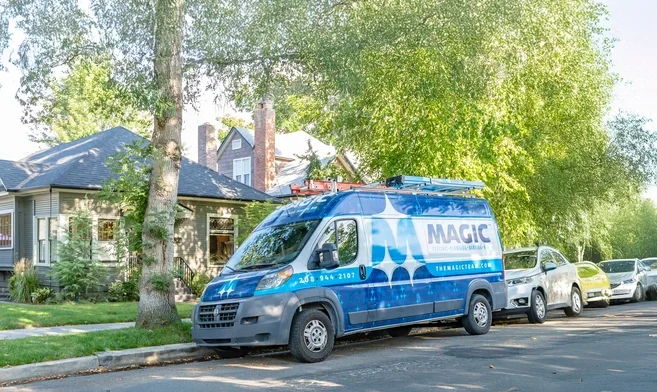
What Is the Magic Electric, Plumbing, Heating & Air Difference?
In the crowded field of home services, why should Boise homeowners choose us?
Upfront Pricing
We hate surprises as much as you do. When we arrive, we diagnose the problem and provide you with a clear, upfront price before we start any work. You will never be hit with hidden fees or extra charges at the end of the job.
We’re Not Happy Until You’re Happy
Our reputation is built on customer satisfaction. We stand behind our work with a 100% satisfaction guarantee.
Locally Owned and Operated
We’re your neighbors. We know the specific challenges of the Idaho electrical grid and the local building codes. When you call us, you aren’t getting a generic national call center; you’re getting local experts who care about the Boise community.
How Can You Extend the Lifespan of Your Generator?
A well-maintained generator can last up to 20 years or more. Aside from professional maintenance, there are small things you can do to help:
- Keep it Clear: Ensure there is at least 3-5 feet of clearance around the unit. Keep it free of snow, leaves, and overgrown bushes to ensure proper airflow.
- Run it Regularly: Most automatic units have a weekly “exercise” cycle. Make sure this is enabled. It keeps the internal seals lubricated and prevents the engine from seizing.
- Check the Fuel: If you have a propane or diesel tank, keep an eye on fuel levels. Running a generator dry can damage the engine coils and require expensive repairs.
Ready to Restore Your Power and Peace of Mind?
Don’t wait for the next storm to find out your generator is broken. Whether you need an emergency repair, a routine tune-up, or a new installation, Magic Electric, Plumbing, Heating & Air is here to help.
We provide comprehensive home generator repair in Boise, ID, ensuring your home remains warm, bright, and safe, no matter what is happening outside.
Contact us today to schedule your service!
Frequently Asked Questions About Home Generator Repair
Do generators really need maintenance every year?
Yes. Even if the generator hasn’t been used during an outage, the oil degrades, the battery loses charge, and seals can dry out. Annual maintenance by a professional ensures that the system will actually work when you need it most. It also helps preserve your manufacturer’s warranty.
How long will my home generator last?
On average, a standby generator lasts about 20 years. However, this lifespan is heavily dependent on maintenance. A neglected generator might fail in less than 10 years, while a well-maintained one can exceed two decades.
Can I just plug my portable generator into a wall outlet?
No. This practice, known as “back-feeding,” is extremely dangerous and illegal. It feeds electricity back into the main utility lines, which can electrocute utility workers attempting to repair downed lines. It can also overload your home’s wiring and cause a fire. You must use a properly installed transfer switch.
What happens if my generator gets overloaded?
If you try to draw more power than the generator can produce (for example, running the AC, oven, and dryer all at once), the generator’s circuit breaker will trip to protect the engine. If this happens frequently, you may need to manage your power usage better or upgrade to a larger unit. Frequent overloading can damage the stator and rotor.
What is the difference between a standby generator and a portable one?
A standby generator is permanently installed outside your home, runs on natural gas or propane, and turns on automatically when the power fails. A portable generator is smaller, usually runs on gasoline, must be manually wheeled out and started, and requires manual connection via extension cords or a manual transfer switch.