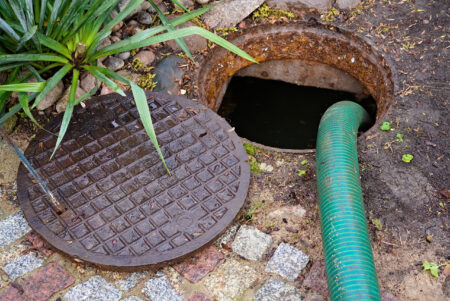
Welcome to Twin Falls, Idaho, rich in history, character, and charming vintage homes. These houses offer a unique aesthetic and connection to the past that modern construction just can’t replicate. However, beneath the beautiful facades and mature landscaping lies a critical component that often operates on borrowed time: your aging plumbing and drain system.
If you own an older property, a simple clogged sink may be a symptom of a much deeper, more complex issue in your main sewer line. Standard drain cleaning methods are frequently insufficient, and sometimes, they can even be harmful to brittle, decades-old pipes. The unique combination of aging materials, local soil conditions, and municipal history creates a perfect storm for persistent drain problems. Understanding these unique challenges is the first step toward finding a lasting solution. We’re The Magic Team, and we’re here to empower you with the knowledge to protect your property and ensure the health of your drainage infrastructure.
What Specific Plumbing Materials Create Unique Challenges in Older Twin Falls Homes?
The single greatest challenge facing older homes is the material their original plumbing lines were built from. Before the widespread adoption of modern PVC and ABS plastic pipes, plumbers relied on durable, yet problematic, materials. Knowing what lines your home has dictates how they must be treated. Any effective drain clearing strategy must begin with identifying and respecting the integrity of these aging pipe types. This is critical because a method safe for a PVC pipe could instantly destroy an old clay line.
Older Twin Falls homes typically contain several problematic pipe materials, each with its own vulnerabilities:
- Cast Iron Pipes: These were widely used for drain and sewer lines until the 1970s. Cast iron is strong but highly susceptible to corrosion. Over decades, the interior walls oxidize and become rough. This rust and decay creates a textured surface where sludge, grease, and soap scum easily snag and accumulate, forming dense, hardened blockages. Eventually, a process called “tuberculation” occurs, where hard mineral deposits create massive internal scale, drastically reducing the pipe’s diameter and flow capacity.
- Clay Tile Pipes: Used predominantly for underground sewer lines, clay pipes were installed in short sections joined together. While clay is resistant to corrosion, the joints between sections are the primary weakness. These seals often fail over time, offering the perfect entry point for invasive tree roots seeking a reliable water source. Clay pipes can also crack or shift easily due to ground movement or heavy loads above them.
- Galvanized Steel Pipes: Common in older water supply lines, these are often also used in secondary drain lines. Galvanization is a zinc coating intended to prevent rust. Once this zinc coating wears away, which is inevitable, the steel begins to rust internally. Like cast iron, this internal rust drastically constricts flow, leading to slow drains and backups.
- Orangeburg Pipes (Less Common but Present): Made from layers of wood pulp sealed with coal tar pitch, this material was used from the 1940s to the 1970s. It is known to degrade quickly when exposed to continuous wastewater. Orangeburg tends to deform, ovalize, or even collapse under pressure from shifting soil or tree roots.
Dealing with these materials requires specialized diagnostic and cleaning tools that a basic plumber’s snake can’t replicate. A professional service must be cautious, ensuring the clearing process does not fracture brittle or corroded piping.
How Does the Twin Falls Environment Specifically Contribute to Drain Blockages?
Beyond the material of the pipes, the local environment in the Magic Valley plays a significant and often overlooked role in drain issues. The specific climate and geological features of Twin Falls amplify the severity of common plumbing problems, making expert intervention essential.
The two main environmental factors are the regional abundance of mature trees and the specific mineral composition of the local water supply:
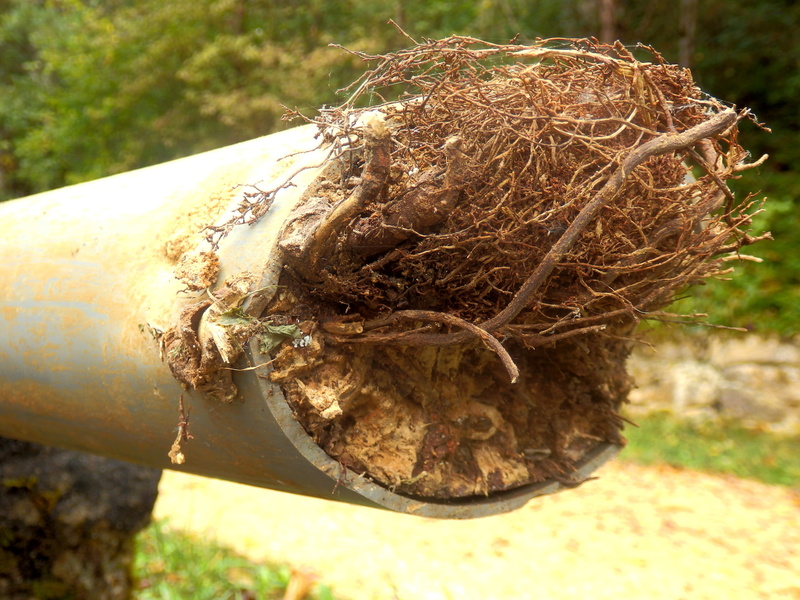
- Aggressive Tree Root Intrusion: Twin Falls is home to many established neighborhoods with beautiful, mature trees. Tree roots naturally seek moisture and nutrients, and sewer lines are a five-star hotel for them, offering both. Even the tiniest leak or a compromised joint in an old clay or cast iron line will attract roots. Once a root finds an entry point, it grows rapidly within the pipe, forming a dense, impenetrable, hairball-like blockage. Hydro-jetting with specific root-cutting nozzles is often the only way to eliminate these massive organic blockages completely.
- Hard Water Scale and Mineral Build-up: The water sources in Southern Idaho often contain high levels of dissolved minerals, commonly referred to as “hard water.” When this water flows through aging pipes, these minerals (calcium and magnesium) precipitate out and adhere to the rough, corroded interiors of cast iron or galvanized lines. This mineral deposit creates a rock-hard layer of scale. Scale acts as a secondary block, reducing the internal diameter of a large sewer line to that of a much smaller pipe, severely restricting flow. Standard snaking simply pokes a hole through this mineral buildup but does not remove the scale itself, allowing clogs to recur rapidly.
Because these factors are persistent, drain issues in older Twin Falls properties tend to be chronic. This means the blockage returns quickly unless a comprehensive solution is applied to clean the entire circumference of the pipe wall.
Why Are DIY and Chemical Drain Cleaners Dangerous for Vintage Plumbing?
The immediate impulse when faced with a slow drain is often to grab a plunger or pour a harsh chemical down the line. While tempting, these quick fixes are almost always detrimental, especially when dealing with the delicate systems in older homes.
Using chemical cleaners poses risks to aging plumbing materials:
- Chemical Corrosion: Most caustic drain cleaners rely on powerful acids or lye to dissolve organic matter. These chemicals generate significant heat during the reaction. In older, already corroded cast iron or galvanized pipes, the chemical can accelerate the decay process. The chemicals can also compromise the integrity of old, fragile joint seals in clay pipes.
- Pipe Degradation: If the chemicals fail to dissolve the clog entirely, they often sit behind the blockage. This pooling action allows the chemicals to eat away at the interior of the pipe material itself, essentially creating a weakness where a leak or collapse will eventually occur.
DIY snaking is also insufficient for the types of issues found in Twin Falls’ older homes:
- Limited Reach and Power: Consumer-grade snakes are generally too short and lack the motor power to navigate and clear a main sewer line blockage that might be 50 to 100 feet from the house.
- Punching a Hole: A standard snake merely punches a small hole through the center of a dense clog (like scale or root intrusion). This provides temporary relief, but the surrounding debris remains, allowing the blockage to reform in days or weeks.
- Risk of Damage: Improper use of a professional-grade snake without prior video inspection can easily crack brittle clay pipes or get stuck and damage severely corroded cast iron lines.
For any persistent or recurring drain issue in an older property, professional intervention is the only safe and effective solution.
What Diagnostic Tools Do Experts Use to Identify Hidden Damage in Old Pipes?
Before a professional drain clearing technician even selects a cleaning method, they must first perform a comprehensive diagnostic. For older homes, this isn’t optional; it’s the first step that protects the aging system from further damage. At Magic Electric, Plumbing, Heating & Air, we prioritize diagnosis, utilizing cutting-edge tools to see the exact nature and location of the clog.
The key diagnostic tool used in nearly every older home service is the Sewer Camera Inspection (CCTV):
- Precision and Safety: A high-resolution, waterproof camera is fed through the pipe via an existing cleanout access point. This provides live, high-definition video footage of the pipe’s interior walls.
- Locating the Problem: The camera confirms whether the problem is due to soft debris, hard mineral scale, grease buildup, or severe tree root intrusion.
- Assessing Pipe Integrity: The camera reveals the condition of the pipe: Is the cast iron severely corroded? Are there any sections of pipe that have sagged (bellied)? Has a portion of the pipe collapsed?
- Pinpointing Location: The camera assembly contains a transmitter, allowing the technician to use a locator device above ground to pinpoint the exact depth and spot of the blockage or pipe damage. This minimizes guesswork and the need for invasive excavation.
By offering a specialized Sewer/Main Line Camera Inspection service, our professionals can ensure the cleaning method chosen is appropriate for the pipe’s material and condition, maximizing safety and effectiveness.
How Does Hydro-Jetting Provide a Superior Solution to Recurring Clogs in Older Drain Lines?
Once the sewer camera inspection has identified the exact cause and material condition, the most powerful and effective solution for older, yet structurally sound, pipes is often hydro-jetting. This advanced technique is vastly superior to traditional snaking for the unique challenges of Twin Falls homes.
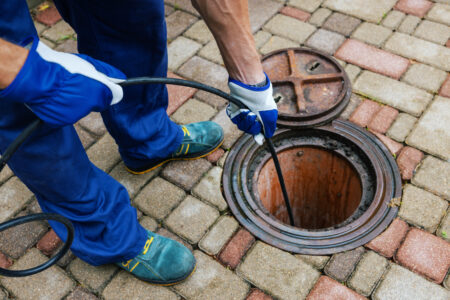
Hydro-jetting is a process that uses extremely high-pressure water to clean the entire interior circumference of the pipe:
- Powerful Cleaning Action: A specialized nozzle is inserted into the line, and water is blasted at pressures that can exceed 4,000 PSI.
- Total Debris Removal: Unlike a snake that only pokes a hole, the hydro-jetting stream cuts through and flushes out all materials. It obliterates dense tree roots and thoroughly scours away years of rock-hard mineral scale and corrosion from cast iron walls.
- Prevents Recurrence: By cleaning the pipe walls back to nearly their original diameter, hydro-jetting removes the rough surfaces where new debris can latch on. This breaks the cycle of recurring clogs and provides a long-lasting, preventative cleaning.
- Safety Considerations: Hydro-jetting must be performed by an experienced professional. They adjust the pressure and select the right nozzle type based on the pipe material (clay, cast iron, or PVC), ensuring the cleaning is highly effective without damaging the aging infrastructure.
Hydro-jetting is the gold standard for restoring full flow capacity to an older, scaled, or root-infested drain line.
What Are the Key Signs That an Older Home’s Drain Problem Requires Professional Intervention?
As a homeowner, knowing the difference between a minor, temporary clog and a major, systemic problem is crucial for preventing costly damage. While a single slow sink might be solved with a simple drain snake, older homes often exhibit tell-tale signs that the main sewer line is compromised.
You should immediately contact an expert like Magic Electric, Plumbing, Heating & Air if you notice any of these key indicators:
- Multiple Fixture Backups: When multiple drains, such as the kitchen sink and a bathroom shower, back up simultaneously or sequentially, it almost always signals a blockage in the main sewer line, not just a branch line.
- Toilet Gurgling When the Shower Runs: If you flush a toilet and hear a gurgling sound coming from a nearby sink or shower drain, it means the entire system is struggling to vent and push water past a central obstruction.
- Sewage Backflow in Lower Fixtures: Any presence of water or sewage backing up into the lowest fixture in the home (often a basement floor drain or lower-level toilet) indicates a complete main sewer stoppage. This is an emergency situation.
- Foul Odors: Persistent, sewage-like smells around drains, cleanouts, or in the yard often mean waste is trapped in the pipe due to a blockage or a compromised (cracked) sewer line.
- Water Pooling Outside: If you notice patches of perpetually lush or unusually wet grass, or sunken areas in your yard above the sewer line’s known path, it can indicate a serious leak or fracture.
Catching these signs early and calling a professional for a video inspection can often allow for a clearing or repair before a full sewage backup occurs. Remember to Contact Magic Electric, Plumbing, Heating & Air for your plumbing and electrical repair needs.
How Do Magic Electric’s Service Standards Compare to Other Twin Falls Providers?
In the Twin Falls area, several reputable drain clearing companies offer professional services. However, when choosing a provider for the delicate plumbing of an older home, it’s essential to consider the expertise, transparency, and guarantees offered.
Many local competitors offer standard services like snaking and hydro-jetting, but Magic Electric distinguishes our service through specific, customer-focused practices designed to provide peace of mind for older home owners:
- Initial Diagnostic Focus: While some competitors charge high, undisclosed rates for camera inspections, Magic Electric offers a $49 Sewer/Main Line Camera Inspection. This provides a low-cost, fixed-price diagnosis that ensures that you understand the exact problem and the condition of your old pipes before any major, potentially damaging work begins.
- Basic Clearing Guarantee: Unlike providers who may only offer a basic service with limited assurances, Magic Electric provides a “$43 Or It’s Free Drain Clearing” guarantee. This strong financial guarantee ensures you’re not paying for an unsuccessful attempt at clearing a basic clog, providing a level of confidence in the service.
- Holistic Service Scope: Magic Electric is a comprehensive service provider, handling full plumbing, heating, air, and electrical services. This integrated approach allows our technicians to address connected issues, for example, if a plumbing issue is related to a water heater or a basement electrical problem, immediately, rather than requiring you to call a separate specialist.
- Advanced Tooling: Like other top competitors, Magic Electric utilizes advanced methods such as powerful hydro-jetting and expert snaking for root and scale removal. The key differentiator is pairing these advanced solutions with the low-cost camera inspection to guarantee the right tool is used for your specific old pipe material and condition, maximizing safety and long-term effectiveness.
For homeowners of older properties, the combination of a low-cost, guaranteed inspection and a reliable clearing service provides the necessary confidence and peace of mind. Choosing a company that prioritizes transparent diagnostics, especially a dedicated sewer camera inspection, is the safest bet for protecting brittle, aging pipes.
Conclusion: Securing Your Older Home’s Drainage for the Future
The charm of an older Twin Falls home should never be overshadowed by the anxiety of a sewage backup. The unique challenges presented by vintage pipe materials, root intrusion from mature landscaping, and hard water scale buildup are formidable, but they are far from insurmountable.
Attempting DIY chemical or basic snaking solutions on these complex, aging systems is a risky gamble. The only path to truly securing your drainage system is through professional diagnosis and specialized intervention. By leveraging sewer camera inspections to locate the exact cause of the clog and employing powerful, pipe-wall-cleaning techniques like hydro-jetting, Magic Electric, Plumbing, Heating & Air offers solutions that restore your pipes to optimal condition and prevent the costly cycle of recurring clogs.
Protect your investment, preserve your home’s history, and enjoy reliable plumbing for years to come. If your older home is experiencing slow drains, gurgling toilets, or frequent backups, the time to act is now. Contact Magic Electric, Plumbing, Heating & Air for your plumbing and electrical repair needs. We’re ready to provide the expert service and long-term solutions your vintage property deserves.
Drain Clearing Twin Falls: Frequently Asked Questions (FAQ)
1. Why do I get frequent drain clogs only in my older home, but not in my previous, newer house?
Your older home experiences frequent clogs primarily due to the material and age of the underground piping. Newer homes utilize smooth PVC pipes that resist mineral buildup. Older homes, however, rely on materials like corroded cast iron or clay tile pipes. The internal roughness of cast iron pipe walls traps grease and soap scum, creating an excellent surface for scale to form, thereby reducing the pipe’s effective diameter. In clay lines, tree roots often invade the short, jointed sections, causing dense blockages that only partially clear with standard snaking, leading to rapid re-clogging. The local hard water in Twin Falls exacerbates this by accelerating mineral scale formation.
2. Is hydro-jetting safe for my old cast iron or clay pipes?
Yes, hydro-jetting is safe, provided it is performed by an experienced professional who first uses a sewer camera to assess the pipe’s condition. Hydro-jetting involves specialized nozzles and controlled water pressure, which are adjusted based on the pipe material and structural integrity. For a pipe with severe internal scale (cast iron) or dense root intrusion (clay), hydro-jetting is actually the preferred method because it completely cleans the pipe wall, which snaking cannot do. However, if the camera inspection reveals the pipe is already fractured, severely offset, or collapsed, a professional will recommend repair or replacement before jetting, as high pressure could worsen pre-existing damage.
3. How often should I have my older home’s main sewer line cleaned?
The frequency depends heavily on the pipe material and the presence of mature trees near your sewer line. For older homes prone to annual root intrusion (especially those with clay pipes), an annual or biannual preventative hydro-jetting service is highly recommended. For homes with cast iron pipes that suffer from excessive scale and grease buildup, a cleaning every 2 to 3 years is often sufficient to maintain optimal flow. Always follow the specific recommendation given by your professional technician after they have conducted a camera inspection, as they have seen the internal rate of buildup.
4. What is the difference between “drain clearing” and “drain cleaning” for older homes?
Drain Clearing (often done with a snake or auger) focuses on removing an immediate blockage to restore flow. It punches a hole through the center of the clog but leaves the debris, scale, and root fragments lining the pipe walls. This is a temporary fix.
Drain Cleaning (primarily done with hydro-jetting and preceded by camera inspection) is a comprehensive process that removes the blockage and scours the entire interior surface of the pipe wall. This preventative approach removes the material that causes clogs to recur, restoring the pipe to near-original capacity. Older homes almost always require the more thorough drain cleaning service.