
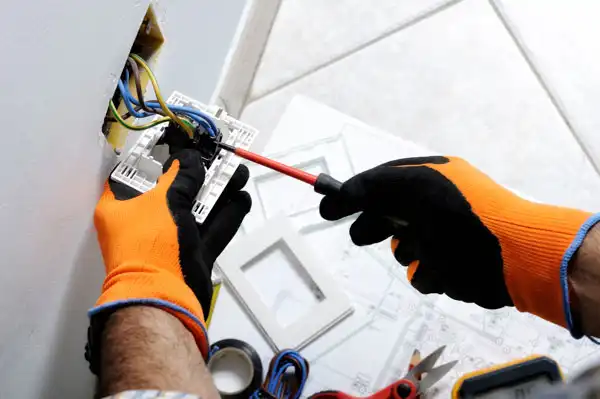
Your home is the center of your family’s life, and your electrical system is what literally keeps the lights on.
Electrical issues can be extremely disruptive to your comfort and safety. Faulty wiring, outdated panels, and damaged outlets are common causes of property damage and serious injury. Professional electrical repair is not merely a convenience; it’s a critical investment in protecting your family and your biggest asset.
This comprehensive guide from our experts at Magic Electric, Plumbing, Heating & Air will detail exactly how professional electrical repair dramatically improves your Boise home’s safety. We’ll explore the common hazards specific to the Treasure Valley and outline the solutions that keep your power flowing safely and efficiently.
Why Are Older Electrical Systems a Safety Risk in Boise Homes?
Many neighborhoods throughout Boise and the Treasure Valley feature homes that are decades old. While charming, these older homes frequently house electrical systems that are dangerously outdated for modern power demands. These vintage systems are often the single greatest threat to your family’s safety today.
What are the dangers of outdated electrical wiring?
Outdated wiring methods were simply not designed to handle the heavy electrical load of modern life. They can quickly overheat, leading to insulation breakdown and a severe risk of fire.
- Knob-and-Tube Wiring: This early method of wiring, common in pre-1940s homes, lacks a crucial ground wire. The absence of proper grounding significantly increases the risk of shock or electrocution if a fault occurs. Insulation around these wires can also become brittle, crumbling to expose live conductors.
- Aluminum Wiring: Used predominantly in homes built between 1965 and 1973, aluminum wiring presents a unique fire hazard. Aluminum expands and contracts more rapidly than copper, causing connections at terminals (like outlets and switches) to loosen over time. Loose connections create resistance, which in turn generates intense heat capable of starting a fire behind the walls.
- Wire Insulation Degradation: Over the years, the plastic or rubber sheathing around wires dries out and cracks. This exposes the conductive metal to surrounding materials, increasing the likelihood of a short circuit or an arc fault.
Why are old electrical panels insufficient for today’s needs?
The original electrical panels in older homes were sized for a handful of lights and basic appliances. Modern homes, however, rely on numerous high-draw devices, from electric vehicle chargers to gaming systems and advanced kitchen appliances.
- Overloaded Panels: When an old panel is forced to manage current loads far exceeding its capacity, the circuits constantly trip. This may seem like an inconvenience, but it is actually a sign of danger.
- Compromised Safety Mechanisms: Outdated panels, particularly those relying on fuses or certain older, recalled breaker types, may fail to trip when necessary. A failure to interrupt excessive current means the electricity continues to flow, causing the wires to overheat and ignite.
- Panel Rust and Wear: Electrical panels are highly susceptible to damage from moisture and corrosion over time. This internal wear can disrupt connections, causing dangerous arcing inside the main distribution box. A failing panel is often called a “heart attack” of a home’s electrical system, requiring immediate replacement.
Professional electrical repair and system upgrades address these fundamental weaknesses, ensuring your home’s infrastructure is robust enough for 21st-century living.
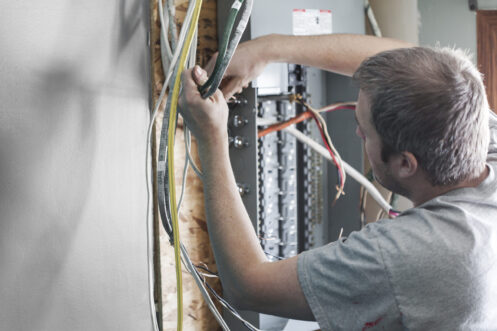
What Essential Safety Devices Should Be Installed in Every Home?
Modern electrical safety relies not just on functioning basic components, but on specialized devices designed to interrupt power instantly when a hazard is detected. The installation of these devices by a licensed Boise electrician is one of the quickest ways to improve home safety. These specialized outlets and breakers provide life-saving protection far beyond what standard outlets can offer.
How do GFCI Outlets prevent electrical shocks?
Ground Fault Circuit Interrupter (GFCI) outlets are a cornerstone of modern electrical safety in areas near water. They are mandated by current building codes in all wet and outdoor locations for a crucial reason.
- Detection Mechanism: A GFCI constantly monitors the flow of electricity along the neutral and hot wires. If the current flow becomes unbalanced, indicating that electricity is “leaking” out of the circuit, perhaps through a person, the device detects the ground fault.
- Instant Shut-off: The GFCI instantly trips the circuit, shutting off the power within milliseconds. This rapid response time is faster than a standard breaker and can prevent severe electrical shock or electrocution.
- Required Locations: Every Boise home needs GFCIs in bathrooms, kitchens, garages, laundry rooms, and any exterior outlets. If your older Boise home lacks these, professional repair is urgently needed.
Why are AFCI Outlets the frontline defense against electrical fires?
Arc Fault Circuit Interrupter (AFCI) outlets or breakers are the technology specifically designed to prevent the majority of home electrical fires. They target dangerous arcing caused by damaged or loose wiring.
- Arcing Hazard: An arc fault occurs when electricity jumps a gap, such as when a wire is frayed, a connection is loose, or a nail pierces a wire behind a wall. This creates a miniature lightning bolt that generates intense heat, easily igniting insulation or nearby wood.
- Smart Detection: AFCI devices use advanced electronics to distinguish between harmless electrical arcs (like flipping a switch) and hazardous arcing that signals a genuine fault.
- Fire Prevention: When a dangerous arc is detected, the AFCI instantly cuts power to the circuit. This device is now required in many areas of the home, including bedrooms, dining rooms, living rooms, and hallways.
Can whole-home surge protection save appliances and lives?
While most people associate power surges with lightning, they are often caused by fluctuations within the utility grid or the cycling of high-powered home appliances. These surges can severely damage sensitive electronics or even affect the integrity of your wiring.
- Centralized Defense: A whole-home surge protector is installed directly at your main electrical panel by a professional electrician. It intercepts excess voltage before it can travel through your home’s wiring.
- Appliance Protection: This centralized protection safeguards all connected electronics and appliances, including HVAC systems and refrigerators. It goes far beyond the limited protection offered by plug-in strip protectors.
- Boise Reliability: Given Boise’s occasional weather fluctuations, a whole-home surge protector is a smart, preventative investment that preserves thousands of dollars in home equipment.
How Does an Electrical Panel Upgrade Prevent Disaster?
The electrical panel is the central nervous system of your home; if it fails, your home fails. Upgrading your electrical panel is often the single most impactful electrical repair you can perform for safety and functionality. This upgrade is particularly common in Boise’s older neighborhoods where 60-amp or 100-amp service is still found.
When is a panel upgrade necessary for safety?
A complete panel replacement moves your home from a high-risk situation to a state of modern safety compliance. It’s a necessary repair when your current panel exhibits fundamental shortcomings.
- Handling Increased Load: Modern homes typically require 200-amp service to safely power air conditioners, ovens, electric dryers, and specialized circuits. An upgraded panel provides the necessary capacity without risking circuit overloads.
- Ensuring Code Compliance: Local Boise building codes are regularly updated to reflect the latest safety standards. An upgrade ensures your entire service entrance and panel meet these current requirements. This is crucial for insurance purposes and resale value.
- Replacing Faulty Brands: Certain older electrical panel brands have known design flaws that make them highly prone to fire. A licensed electrician will know which specific panels pose a risk and replace them.
What are the main benefits of installing a new panel?
A modern electrical panel offers improved functionality and security for every electrical component in your home. These benefits extend beyond simple power distribution.
- Improved Circuit Protection: New panels utilize high-quality, reliable circuit breakers that trip instantly when a fault or overload occurs. This feature is the most basic line of defense against an electrical fire.
- Space for Safety Devices: Modern panels have the physical space and wiring capacity needed to install advanced safety components. This includes the whole-home surge protectors, AFCI breakers, and dedicated circuits for large appliances.
- Preventing Flickering and Power Loss: An upgraded panel ensures a steady, reliable supply of power to all circuits. This eliminates annoying issues like flickering lights or appliances that struggle to run, which are often symptoms of an undersized panel.
Magic Electric specializes in panel upgrades, ensuring that your new system is installed correctly, tested thoroughly, and guaranteed to meet all local Boise regulations.
What Are the Critical Warning Signs That Require Immediate Electrical Repair?
As a homeowner, it’s important to become familiar with the subtle, yet dangerous, signals that your electrical system is failing. Recognizing these signs and calling for professional repair quickly can mean the difference between a simple fix and a catastrophic home event.
What visual or physical signs indicate a wiring or panel problem?
Visible signs of distress around outlets, switches, or the electrical panel should never be ignored. They are often direct evidence of heat damage or faulty connections.
- Scorch Marks or Discoloration: Any brown or black marks around an outlet, switch, or the panel cover indicate extreme heat generation. This is a sign of arcing or a loose connection that is actively burning the surrounding materials.
- Warm Outlets or Switch Plates: If you feel a switch plate or outlet cover that is warm to the touch, the wiring or connection behind it is likely overheating. This is a clear indicator that the component needs professional repair or replacement.
- Loose or Wobbly Outlets: Outlets that pull away from the wall are not just cosmetic problems. A loose receptacle means the wiring connections inside are constantly stressed, which often leads to dangerous arcing or intermittent power loss.
What sounds or smells should alert a homeowner to danger?
Some of the most dangerous electrical issues are hidden behind the walls and can only be detected by smell or sound. These sensory warnings demand immediate attention.
- Burning Odors: The smell of burning plastic or rubber is the scent of wire insulation melting. If this smell is persistent near an appliance or coming from the electrical panel, evacuate and call for emergency electrical service immediately.
- Buzzing or Sizzling Noises: Electrical systems are designed to operate silently. Any humming, buzzing, crackling, or sizzling sounds coming from the panel, wall, or an appliance often indicates arcing or a short circuit. These sounds represent wasted energy and severe fire risk.
- Popping Sounds: A loud “pop” followed by a tripped breaker often means a surge or a severe short circuit has occurred. While the breaker may have done its job, the underlying fault still needs to be professionally diagnosed and repaired.
How do circuit breakers reveal a safety problem?
Circuit breakers are safety devices, and their performance is a direct gauge of your system’s health. If they’re constantly tripping, they’re alerting you to a major underlying problem.
- Frequent Tripping: If a circuit breaker trips regularly when a certain appliance is used, the circuit is overloaded. Continuing to reset the breaker without addressing the load or faulty wiring risks eventually compromising the breaker itself, leading to failure.
- Breaker Not Resetting: If a breaker trips and refuses to reset, it may indicate that the breaker itself is worn out, or that a severe, active short circuit is present. In either case, professional diagnosis is required before power can be safely restored.

Why Is a Professional Electrical Safety Inspection Non-Negotiable?
While repairs fix current problems, a comprehensive Electrical Safety Inspection (ESI) prevents future ones. For homeowners in Boise, where properties range from historical to brand new, an inspection provides invaluable peace of mind. Magic Electric, Plumbing, Heating & Air offers an Electrical Safety Inspection at an affordable price, making this crucial service accessible to all residents.
What does an ESI cover that routine checks miss?
Our certified electrician’s safety inspection is a deep dive into the hidden components of your electrical system. It goes far beyond a casual look at the outlets.
- Panel and Service Inspection: The technician opens the electrical panel to inspect the condition of all wiring connections, bus bars, and breaker performance. They check for corrosion, loose terminals, and correct wire gauge usage.
- Code Compliance Review: The electrician verifies that your system meets all current National Electrical Code (NEC) and local Boise safety requirements. This includes confirming proper GFCI and AFCI placement throughout the house.
- Grounding and Bonding Assessment: A core element of safety is proper grounding, which safely routes excess electricity away from the home. The inspector confirms that the grounding system is intact, functioning, and securely bonded.
- Load Analysis: For older homes, the inspector assesses the total electrical demand of the home against the panel’s capacity. They determine if an upgrade is needed to safely accommodate modern power needs.
How does an ESI prevent catastrophic loss?
The preventative nature of an inspection is its greatest value, proactively eliminating hazards that could lead to fire or serious injury.
- Identifying Hidden Fire Risks: Many fire hazards, like loose aluminum wire connections or damaged insulation, are completely hidden behind walls. An inspection identifies these latent issues before they generate dangerous heat.
- Prolonging System Lifespan: By identifying small issues like loose connections early, the electrician can tighten them. This reduces heat stress and wear on the entire system, helping the panel and wiring last longer.
- Supporting Insurance and Resale: An official safety inspection report provides documentation for your insurance provider, potentially lowering premiums or satisfying coverage requirements. It also serves as a major selling point should you decide to move.
Investing in a regular professional inspection is the definitive way to ensure your electrical repair needs are met before they become emergencies.
Conclusion
Home safety in Boise hinges on the reliability of one critical system: your electricity. As homes age and power demands increase, professional electrical repair moves from a recommended service to a necessary safeguard.
From upgrading old, inadequate electrical panels to installing life-saving GFCI and AFCI technology, every repair performed by an expert electrician reduces the risk of shock, injury, and devastating fire. The safety and security of your family deserve nothing less than a fully functional, code-compliant electrical system.
At Magic Electric, Plumbing, Heating & Air, we’re dedicated to providing the Boise community with the highest standard of electrical safety and repair. Our professionals possess the expertise to diagnose any issue, from subtle flickering to major panel replacement. Don’t wait for a warning sign to become an emergency. Contact Magic Electric, Plumbing, Heating & Air for your plumbing and electrical repair needs and schedule your professional safety inspection today. We’re here to keep your home safe, reliable, and powered for the future.
Frequently Asked Questions (FAQ) About Electrical Repair
How often should I have my Boise home’s electrical system inspected?
You should ideally have a professional Electrical Safety Inspection (ESI) performed every three to five years, especially if your home is over 25 years old. An inspection is also mandatory whenever you purchase an older home or plan a major renovation that involves high-powered appliances, such as a large kitchen remodel or adding a hot tub. This regular assessment ensures that small, manageable issues are caught and fixed before they escalate into major, costly safety hazards.
What is the most common safety issue an electrician finds in older Boise homes?
The most common and dangerous safety issue found in older Boise homes is an outdated or undersized electrical panel. Many homes still have 60-amp or 100-amp service, which can’t safely handle the electrical loads of modern appliances and HVAC units. This results in constantly overloaded circuits and a high risk of electrical fire due to the panel’s inability to safely interrupt the power flow. The second most common issue is the lack of modern safety outlets, specifically GFCI protection in wet areas, which greatly increases the risk of electric shock.
Is DIY electrical work safe, or must I always hire a licensed professional?
You should always hire a licensed professional electrician for all but the most basic electrical tasks (like changing a light bulb). Electrical work is highly regulated by local building codes for a reason: improper wiring is the leading cause of house fires. Faulty DIY work can lead to dangerous situations, including improper grounding, loose connections, and the use of incorrect materials, which pose a severe risk of shock or fire. Furthermore, unpermitted or non-compliant electrical work can void your home insurance policy and significantly decrease your property’s resale value.
What is the difference between a GFCI and an AFCI, and do I need both?
Yes, you absolutely need both, as they protect against different types of dangers. A Ground Fault Circuit Interrupter (GFCI) protects people from electric shock by monitoring the current path and tripping if electricity “leaks” through an unintended path, such as water or a person. They are required in wet areas like kitchens and bathrooms. An Arc Fault Circuit Interrupter (AFCI) protects property from fire by detecting dangerous electrical arcs (sparks) that occur from damaged or loose wiring connections behind walls, which are a common cause of electrical fires. They are required in bedrooms, living areas, and other general-use circuits.
Can an electrical issue affect my heating and cooling system?
Yes, absolutely. Your heating and cooling systems rely on dedicated, high-capacity electrical circuits. Electrical issues such as voltage fluctuations, worn wiring, or an overloaded panel can directly cause these units to fail, struggle to start, or suffer damage to sensitive electronic components. For instance, a power surge can instantly fry the control board of a modern HVAC system. Proper electrical repair and system sizing ensure your HVAC systems run safely and efficiently, reducing the need for costly HVAC repairs.