
The short answer is yes. Frozen pipes can thaw without bursting, however, it is not always the case. Whether a pipe survives a freeze-thaw cycle depends on several factors, including the pipe material, how much water was inside, and how quickly the temperature changes.
When water freezes, it expands by approximately 9%. This expansion doesn’t always break the pipe immediately. The real danger often comes from the extreme water pressure that builds up between the ice blockage and a closed faucet. If that pressure has nowhere to go, the pipe is likely to rupture.
If you’ve discovered you have a frozen pipe, your goal should be to manage the thawing process carefully to minimize the risk of a catastrophic burst. By taking the right steps, you can often save your plumbing and avoid a massive cleanup.
Why Do Pipes Burst During the Thawing Process?
It is a common misconception that the ice itself always cracks the pipe. While the expansion of ice is a factor, the “burst” often happens because of “upstream” pressure. As the ice moves or begins to melt, the trapped water between the ice and a closed valve is compressed.
Another reason pipes burst during thawing is the “thermal shock” to the material. If you apply high heat, like a blowtorch, to a frozen pipe, the rapid temperature change can cause the material to expand unevenly and crack.
Finally, a pipe may have actually burst while it was frozen, but you simply don’t know it yet. The ice acts as a temporary plug. Once that ice melts, the water starts flowing again and pours out of the crack that was created hours or days earlier.
What are the Signs That a Pipe is Frozen?
Recognizing a frozen pipe early is the best way to prevent it from turning into a burst pipe. You should check your plumbing if the temperature outside drops below freezing and you notice the following:
- Limited Water Flow: When you turn on a faucet, only a trickle of water comes out, or nothing at all.
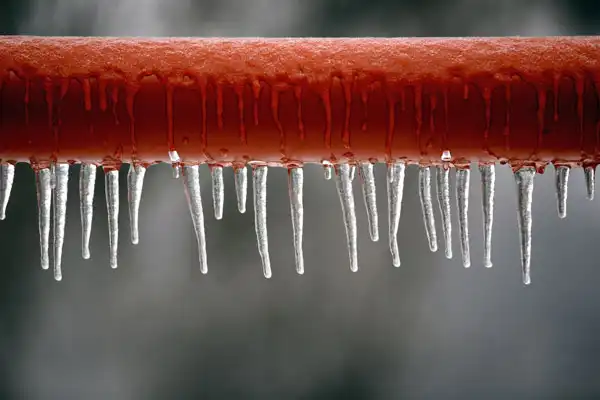
- Frost on the Pipe: If you can see the pipes (like in a basement or crawlspace), look for visible frost or a light coating of ice on the exterior.
- Strange Odors: If a pipe is blocked by ice, odors from the drain or sewer line may be pushed back into the house.
- Bulging Pipes: If a section of the pipe looks slightly wider or “swollen,” it’s a sign that ice has expanded inside and is straining the material.
How Can You Safely Thaw a Frozen Pipe?
If you suspect a pipe is frozen but it hasn’t burst yet, you’ll need to act quickly but cautiously. Follow these steps to encourage a safe thaw:
- Open the Faucet: Before you start thawing, open the faucet connected to the frozen pipe. This allows water to flow through once the ice starts melting and, more importantly, relieves the pressure buildup that causes bursts.
- Apply Gentle Heat: Use a hair dryer on a low setting, a space heater (kept at a safe distance), or even towels soaked in hot water wrapped around the pipe.
- Start from the Faucet: Always begin the thawing process at the end of the pipe closest to the faucet and work your way back toward the frozen area. This ensures the melting water has an exit.
- Avoid Open Flames: Never use a blowtorch, propane heater, or charcoal stove. These are fire hazards and can damage your pipes beyond repair.
What Should You Do if a Pipe Bursts?
If the worst happens and a pipe bursts while thawing, you’ll need to act immediately to minimize damage and prevent mold growth.
- Shut Off the Main Water Valve: Locate your home’s main water shut-off valve and turn it off completely. This stops the flow of water into your plumbing system.
- Turn Off Electricity: If the leak is near electrical outlets or your breaker box, shut off the power to those areas to prevent shocks or fires.
- Call a Professional: Contact Magic Electric, Plumbing, Heating & Air. A burst pipe is a plumbing emergency that requires professional repair and pressure testing to ensure there aren’t other leaks hidden in the walls.
- Document the Damage: Take photos of the pipe and any water damage for insurance purposes.
How Do Different Pipe Materials Handle Freezing?
Not all pipes react to ice expansion in the same way. The material of your plumbing plays a huge role in whether you’ll face a burst.
- PEX (Cross-linked Polyethylene): PEX is highly flexible. It can often expand significantly when water freezes inside and then shrink back to its original shape. While not “burst-proof,” it is much more resilient than rigid materials.
- Copper: Copper is a popular choice for plumbing but is very rigid. It does not handle expansion well and is one of the most common materials to burst during a freeze.
- PVC/CPVC: These plastic pipes become brittle when they are very cold. If water freezes inside, they are prone to cracking or shattering rather than expanding.
- Galvanized Steel: Common in older homes, these pipes are strong but can burst if the pressure becomes high enough. They are also prone to corrosion, which creates weak spots where bursts are likely to occur.
How Can You Prevent Pipes From Freezing in the Future?
Prevention is always cheaper and less stressful than repair. Here are the top ways to keep your pipes safe during a cold snap:
- Insulate Exposed Pipes: Use foam sleeves or “heat tape” on pipes located in unheated areas like attics, crawlspaces, and garages.
- Let the Faucets Drip: On extremely cold nights, let a small trickle of water run from faucets connected to pipes that run through exterior walls. This keeps water moving and relieves pressure.
- Keep Interior Doors Open: Open cabinet doors under sinks in kitchens and bathrooms to allow warmer air from the room to reach the plumbing.
- Maintain Your HVAC System: Ensure your heating system is working efficiently. If your furnace fails during a storm, your pipes will follow shortly after. Magic Electric, Plumbing, Heating & Air can help with both heating and plumbing maintenance.

When Is it Time to Call a Professional Plumber?
While some homeowners try to DIY the thawing process, there are many situations where calling an expert is the only safe choice.
- Inaccessible Pipes: If the frozen pipe is behind a wall or under the floor, you won’t be able to safely thaw it yourself.
- Suspected Cracks: If you see any hairline fractures in the pipe, don’t attempt to thaw it. The moment the ice melts, you’ll have a flood.
- Total Loss of Water: If your entire home is without water, the freeze might be in the main service line, which requires specialized equipment to fix.
- Safety Concerns: If you aren’t comfortable working with plumbing or heating tools, it’s better to be safe. Magic Electric, Plumbing, Heating & Air offers upfront pricing and same-day service to get your home back to normal quickly.
Conclusion
So, can frozen pipes thaw without bursting? Yes, but it requires a combination of luck and proper technique. By identifying the signs of a freeze early and using gentle, controlled thawing methods, you can often avoid the mess and expense of a burst pipe. Remember to always open your faucets to relieve pressure and never use an open flame on your plumbing.
If you find yourself facing a frozen pipe or, worse, a burst one, don’t panic. Our team at Magic Electric, Plumbing, Heating & Air is here to help. We provide expert plumbing repairs, leak detection, and frozen pipe services for homeowners in Twin Falls, Boise, and the surrounding areas. Give us a call for all your home service needs!
FAQ: Frozen Pipes and Thawing
Q: How long does it take for a frozen pipe to thaw naturally?
A: Depending on the temperature of the house and the location of the pipe, it can take anywhere from 30 minutes to several hours. If the pipe is behind a wall, it may take a full day or more as the home warms up.
Q: Is it safe to use a space heater to thaw pipes?
A: Yes, provided the space heater is kept at least three feet away from any flammable materials and is never left unattended. Do not use space heaters in damp or wet areas unless they are specifically rated for that use.
Q: Will pouring boiling water down a drain thaw a frozen pipe?
A: No, this is generally not recommended. The extreme temperature difference between boiling water and a frozen pipe can cause the pipe to crack or the porcelain of your sink/toilet to shatter.
Q: My water is back on, does that mean I’m safe?
A: Not necessarily. You should carefully inspect the area where the pipe was frozen for any signs of moisture or “sweating.” Sometimes small cracks don’t show themselves immediately.
Q: Does homeowners insurance cover burst pipes?
A: Most standard homeowners insurance policies cover damage caused by a sudden pipe burst, but they may not cover the cost of the pipe repair itself if it was caused by negligence (like leaving the heat off). Check your specific policy for details.