
When you turn on a faucet or flush a toilet, you expect the water to disappear instantly. It’s a simple convenience we often take for granted, until it stops working. A slow drain or a stubborn backup is more than a minor inconvenience in your morning routine; it poses a direct risk to the health and longevity of your entire home.
Many homeowners view drain clearing as a “quick fix,” but at Magic Electric, Plumbing, Heating & Air, we see firsthand how proactive drain maintenance protects your pipes.
Maintaining the integrity of your plumbing system requires more than just a plunger. It requires an understanding of how localized blockages affect the system as a whole. In this guide, we’ll explore how professional drain clearing services prevent catastrophic failures and keep your home’s infrastructure sound.
Why is drain clearing essential for pipe health?
The integrity of your plumbing system depends on a delicate balance of pressure and flow. Pipes are designed to move water and waste away from your home using gravity and specific venting. When a clog forms, this balance is destroyed.
- Pressure Mitigation: When water can’t pass a blockage, it creates “static pressure” behind the clog. Over time, this pressure stresses the joints and seals of your pipes.
- Corrosion Prevention: Clogs are often made of organic waste, hair, and soap scum. As these materials sit in your pipes, they decompose and release acidic byproducts. These acids eat away at the interior lining of your pipes, leading to thinning walls and eventual leaks.
- Joint Protection: Your plumbing system is only as strong as its weakest connection. Excessive weight from standing water can cause pipes to sag or pull away from their fittings, compromising the structural “skeleton” of your drainage system.

How does a professional clearing differ from DIY methods?
It’s tempting to reach for a bottle of chemical cleaner or a cheap hand snake from the hardware store. However, these “solutions” often do more harm than good to your plumbing’s integrity.
- Chemical Damage: Most store-bought drain cleaners use harsh lye or acid. These chemicals generate heat and corrosive reactions that can soften PVC pipes or accelerate the rusting of older cast-iron lines.
- Surface-Level Fixes: DIY snaking often just “pokes a hole” through a clog. While water may start moving again, the bulk of the debris remains on the pipe walls, allowing a new clog to form almost immediately.
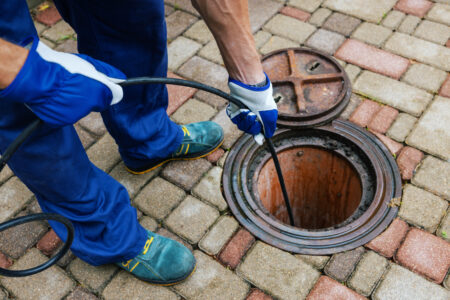
- Professional Precision: Licensed plumbers use specialized tools like motorized augers and high-resolution video cameras. This allows us to see exactly what is causing the issue and remove it entirely without scratching or cracking the interior of the pipe.
Can clearing your drains prevent structural water damage?
Yes, and this is perhaps the most critical way drain clearing protects your home. When a drain is fully blocked, the water has nowhere to go but up and out.
- Slab Leaks: In many Boise homes, main drain lines run beneath the concrete foundation. If a clog causes a pipe to burst underground, it can lead to a slab leak, which is incredibly expensive to repair and can undermine your home’s foundation.
- Wall and Ceiling Seepage: Slow-moving clogs often cause “micro-leaks” at pipe joints hidden behind walls. By the time you see a water spot on your ceiling, the structural wood may already be rotting or growing mold.
- Sewage Backups: A blocked main line can force raw sewage back into your tubs and sinks. This is more than just a cleaning nightmare. It also introduces pathogens and moisture that can destroy flooring and drywall instantly.
What are the signs your plumbing integrity is at risk?
You don’t have to wait for a total backup to know your system is struggling. Your pipes will usually “talk” to you before a major failure occurs.
- Gurgling Noises: If your toilet bubbles when you run the sink, or you hear “glug-glug” sounds after a shower, there is a venting issue or a partial blockage trapping air.
- Unpleasant Odors: The smell of rotten eggs or sewage indicates that waste is trapped and decomposing inside your pipes rather than flowing to the municipal sewer.
- Multiple Slow Drains: If only one sink is slow, it’s a local issue. If the kitchen, bathroom, and laundry drains are all sluggish, you likely have a deep systemic clog that is putting the whole house at risk.
- Frequent Fruit Flies: Pests are attracted to the organic “sludge” that accumulates in dirty drains.
How does Magic Electric, Plumbing, Heating & Air approach drain clearing?
We don’t just clear the clog; we restore the system. Our process is designed to be thorough and safe for all types of plumbing, from historic Boise homes to modern constructions.
- Diagnostic Camera Inspection: We often start by feeding a waterproof camera into the line. This tells us if we’re dealing with a simple hair clog, a “fatberg” of grease, or invasive tree roots.
- Mechanical Augering: For localized clogs, we use professional-grade snakes that can navigate tight bends without damaging the pipe’s inner surface.
- Hydro-Jetting (When Needed): If the integrity of the pipe is sound but it’s heavily coated in grease or scale, we use high-pressure water to “scrub” the pipe walls back to a like-new condition.
- Integrity Check: After clearing the blockage, we verify that the flow has been restored and that no leaks were caused by the previous pressure buildup.
What can homeowners do to maintain their drains?
Professional clearing is your “reset button,” but daily habits keep the system healthy between visits.
- Watch the Grease: Never pour cooking oils or fats down the sink. They solidify as they cool, creating a “glue” that catches every other piece of debris.
- Use Mesh Strainers: Simple baskets in your shower and kitchen sink can catch 90% of the hair and food scraps that cause clogs.
- Hot Water Flushes: Once a week, pour a gallon of boiling water down your kitchen drain to help melt away soap scum and minor grease buildup.
- Avoid “Flushable” Wipes: Despite the label, these wipes do not break down like toilet paper. They are one of the leading causes of main-line blockages today.
Conclusion
Your plumbing system is a vital organ of your home. Just as you wouldn’t ignore a warning light on your car’s dashboard, you shouldn’t ignore a slow-draining sink. Drain clearing service is a fundamental part of home maintenance that goes beyond convenience, it is about preserving the structural integrity of your pipes and protecting your property value.
By choosing professional clearing over chemical “band-aids,” you ensure that your pipes remain thick, your joints stay tight, and your home stays dry. If you’ve noticed the warning signs of a clog, don’t wait for an emergency. Contact Magic Electric, Plumbing, Heating & Air for your plumbing and electrical repair needs in Boise and the surrounding areas.
Drain Clearing Service: Frequently Asked Questions (FAQ)
Is drain clearing the same as drain cleaning?
No. Drain clearing is a reactive service focused on removing a specific blockage to restore flow immediately, usually using a snake or auger. Drain cleaning (like hydro-jetting) is a more comprehensive “scrubbing” of the entire pipe to remove all buildup and prevent future clogs.
Can tree roots be removed with a standard drain clearing?
While a professional auger can cut through some tree roots to restore temporary flow, it often requires hydro-jetting or specialized root-cutting tools to clear them completely and prevent them from growing back and breaking the pipe.
How often should I have my drains professionally cleared?
For most residential homes, a professional inspection and cleaning every 18 to 24 months is ideal. However, if you live in an older home with cast-iron pipes or have large trees near your sewer line, annual service may be necessary to protect your plumbing integrity.
Will professional drain clearing damage my old pipes?
Professional plumbers use tools that are designed to be “pipe-safe.” Unlike harsh chemicals that corrode metal and plastic, mechanical augers and hydro-jets are adjusted based on the age and material of your pipes to ensure the clog is removed without causing structural damage.
Why shouldn’t I use liquid drain cleaners?
Liquid cleaners are highly corrosive and often fail to remove the entire clog. The trapped chemical can sit against your pipe walls for hours, eating away at the material and potentially causing a major leak or pipe failure.