
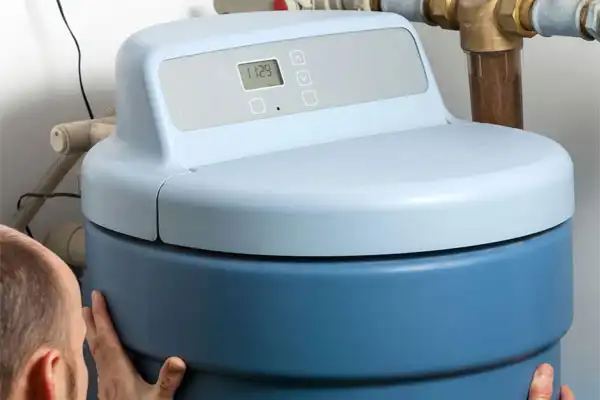
It’s a scenario every homeowner dreads: the sudden, unexpected plumbing emergency. Whether it’s a cold shower signaling a dead water heater or a mysterious drop in water pressure, these issues are inconvenient and, worst of all, costly. We often treat these breakdowns as random events, but what if they were the predictable result of one constant factor?
The water flowing through your pipes, even if it appears clear, carries invisible threats. Minerals, chemicals, and sediment relentlessly wage a slow war against your home’s entire water-based infrastructure. Over time, this quiet attack leads to clogs, corrosion, and appliance failure. The secret to dramatically reducing these expensive plumbing repair needs lies in proactively managing your water quality.
By installing a professional water filtration system, you introduce a powerful shield into your home. This investment stops impurities at the door, ensuring clean water flows through protected pipes. Magic Electric, Plumbing, Heating & Air is here to explain precisely how this one upgrade acts as the ultimate long-term protection plan for your home’s essential systems.
What Are the Hidden Dangers That Cause Plumbing Damage?
The water in your system is composed of more than just hydrogen and oxygen. It contains a complex mixture of elements that dictate its quality and its potential for damage. Understanding these key components is the first step in knowing what you are fighting.
There are two primary categories of impurities that contribute directly to plumbing failures.
The Problem of Water Hardness
- Hard Water Minerals: Calcium and magnesium are the chief culprits behind hard water. They are harmless to consume but are absolute kryptonite to your plumbing.
- Creating Scale: When water containing these minerals is heated, in your water heater, dishwasher, or boiler, the minerals precipitate out. This process creates limescale, a rock-hard, chalky buildup.
- The Accumulation: Limescale adheres fiercely to the internal surfaces of pipes, heating elements, and valves. It’s the primary cause of internal clogs and efficiency loss.
Corrosive Agents and Physical Threats
- Chlorine: Municipal water systems use chlorine to disinfect the water supply. It successfully kills bacteria and makes the water safe to drink.
- Chemical Degradation: Unfortunately, chlorine is a highly reactive chemical that attacks many components in your plumbing system. It prematurely degrades rubber seals, plastic parts, and the gaskets inside faucets and appliances.
- Low pH (Acidity): If your water has a low pH, it’s acidic and naturally corrosive. It literally eats away at metal pipes, including copper and galvanized steel, causing them to thin.
- Sediment and Rust: Sand, silt, and oxidized iron (rust flakes) are abrasive physical contaminants. They scrape against internal pipe walls and clog small nozzles and aerators.
All of these components work together to wear out your system far faster than its designed lifespan. Addressing them is the foundation of preventative plumbing maintenance.
How Does Hard Water Scale Reduce My Water Pressure and Cause Clogs?
Scale buildup is arguably the most common and pervasive cause of reduced water pressure in homes across the country. This silent issue works like plaque in an artery, constricting flow over time.
The Pipe Restriction Process
- Mineral Deposition: Hard water minerals are constantly being deposited on the interior walls of your pipes. The process is slow, making the damage easy to miss initially.
- Diameter Reduction: As the layers of limescale thicken, the usable inner diameter of the pipe shrinks. A half-inch pipe might function closer to a quarter-inch pipe over time.
- Flow Dynamics: This restriction means that for the same volume of water, the flow rate decreases dramatically. Your morning shower turns into a disappointing drizzle.
- Pressure Strain: The reduction in available space forces the pump and the water main to work harder to push water through the narrow opening. This strain on the system can stress pipe joints and lead to leaks.
Clogging Fixtures and Faucets
The smallest openings in your plumbing system are the first to fail due to scale.
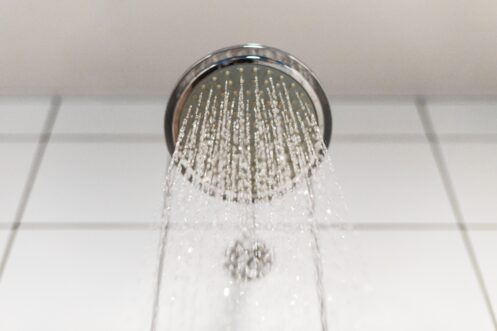
- Showerhead Nozzles: The tiny holes in a showerhead quickly become encrusted with white scale, leading to erratic spray patterns or complete blockage.
- Faucet Aerators: The mesh screen on the tip of your faucet is designed to smooth the water stream. Limescale loves to build up here, restricting the flow out of the tap.
- Appliance Solenoids: The small inlet valves in dishwashers and washing machines use tiny solenoids to regulate water flow. Scale buildup often causes these critical valves to fail, rendering the appliance useless.
A water filtration system, specifically a water softener, stops this mineral deposition entirely. By eliminating the source of the scale, it ensures your plumbing network maintains its full, unobstructed capacity for years.
Is Preventing Corrosion Really a Major Part of Reducing Plumbing Repairs?
Absolutely. Corrosion is a chemical attack that directly compromises the structural integrity of your pipes, and preventing it is crucial to avoiding catastrophic leaks and bursts.
The Chemical Attack on Metals
- Chlorine and Rubber: The chlorine in tap water reacts with the rubber and synthetic materials used in seals, washers, and gaskets. It causes these materials to harden and crack.
- Once a seal cracks, a constant, slow leak is inevitable, leading to fixture drips and running toilets.
- Acidity and Copper: When water is acidic (low pH), it actively dissolves the metal in your copper and brass pipes.
- This process thins the pipe walls, making them susceptible to pinhole leaks.
- These leaks are often hidden within walls, causing extensive water damage before they are discovered.
- Leaching Contaminants: The corrosion process also leaches heavy metals, such as lead and copper, from the pipe material into the drinking water. This poses a significant health risk alongside the repair threat.
The Filtration Solution: Neutralizing and Removing
- Activated Carbon: High-quality whole-house filtration systems use large beds of activated carbon. This material is incredibly effective at chemically absorbing chlorine and other organic chemicals.
- Removing chlorine immediately preserves the life of all non-metallic plumbing components, like seals and gaskets.
- Neutralizers: If water acidity is the issue, professional systems can introduce neutralizing media (such as calcium carbonate) to safely raise the pH.
- Neutralizing the water eliminates the chemical reaction that causes metal corrosion.
By removing or balancing these corrosive elements, filtration systems ensure your plumbing materials stay strong and intact, significantly lowering the risk of destructive and costly leak repairs.
How Do Water Filtration Systems Extend the Lifespan of My Expensive Appliances?
Major water-using appliances, your water heater, dishwasher, and washing machine, are typically the most expensive items in your plumbing system to repair or replace. They are also the appliances most vulnerable to unfiltered water damage.
Water Heaters: The Most Vulnerable Investment
- Scale Insulation: In a tank water heater, scale deposits settle on the bottom, forming a thick, dense layer over the heating element or gas burner chamber.
- Overheating and Strain: This scale acts as an insulator, forcing the heating element to work harder and reach higher temperatures to warm the water. This continuous strain leads to premature element burnout and tank failure.
- Tankless Heaters: Tankless units rely on tightly packed heat exchangers with narrow channels. Scale buildup can destroy a tankless unit faster than a traditional tank, often voiding the warranty if water quality standards are not met.
Washing Machines and Dishwashers
- Cleaning Inefficiency: Scale buildup clogs spray arms in dishwashers and can accumulate on drum components in washing machines. This severely reduces cleaning effectiveness.
- Internal Component Failure: The minerals wear down pumps, valves, and heating elements inside these machines. This increases mechanical friction and reduces their operational lifespan.
- Warranty Protection: Many appliance manufacturers recommend or even require water softening in hard water areas to keep the appliance’s warranty valid.
By protecting these high-value assets from scale and sediment, a whole-house filter ensures they run efficiently and reach their full expected lifespan, often saving homeowners thousands of dollars in premature replacement costs.
Why Is Filtered Water Better for My Plumbing System’s Efficiency?
Plumbing system efficiency isn’t just about water pressure; it is fundamentally about energy consumption. Unfiltered water creates numerous inefficiencies that directly lead to higher utility bills.
The Energy Cost of Scale
- Increased Heating Load: As previously discussed, a 1-millimeter layer of limescale on a heating element can increase the energy required to heat water by 10% or more. This is wasted energy that hits your monthly gas or electric bill.
- Appliance Overload: Dishwashers and washing machines struggle to perform their tasks with hard, scaled water. They may require higher temperatures, longer cycles, or excessive amounts of detergent to achieve cleanliness.
- Pumping Strain: When pipes are narrowed by scale, the pump or the main water supply must exert more force to maintain flow rate. Over time, this constant fight increases the strain on the pump system.
The Filtration Effect
Filtered water is “friendly” to the system.
- Optimal Heat Transfer: Without scale, heating elements transfer heat directly and instantaneously to the water, minimizing energy waste.
- Less Chemical Load: Removing sediment and chemicals ensures internal parts are not constantly battling resistance, allowing pumps and motors to run cooler and more efficiently.
- Perfect Flow: Unobstructed pipes mean water flows at the proper volume and pressure, requiring minimal input from the supply system.
A clean plumbing system is an efficient one. A water filtration system is an investment in long-term energy savings, providing a measurable return that offsets its initial cost.
What Is the Most Effective Water Filtration System for Repair Prevention?
Selecting the “best” system depends entirely on a professional analysis of your water’s specific contents. There is no one-size-fits-all solution, as different systems tackle different impurities.
Two Core Systems for Plumbing Protection
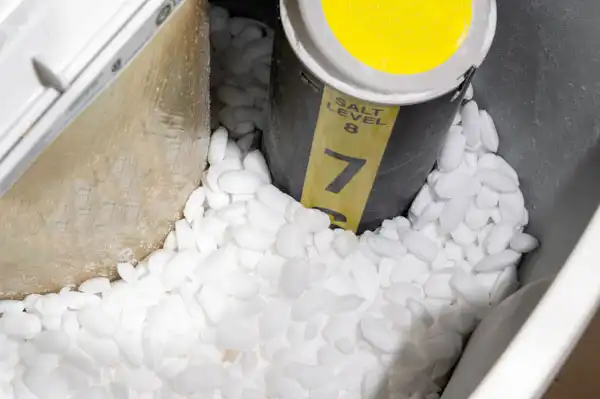
- Water Softeners: The gold standard for protection against scale and hard water damage.
- Mechanism: Uses ion exchange to swap calcium and magnesium ions for sodium or potassium ions.
- Primary Benefit: Protects all hot-water-using appliances and pipes from scale buildup.
- Limitation: Does not remove chlorine, sediment, bacteria, or heavy metals like lead.
- Whole-House Water Filters: Crucial for protection against corrosive agents and sediment.
- Mechanism: Typically uses activated carbon and sediment filters to physically and chemically trap impurities.
- Primary Benefit: Removes chlorine, chemicals, heavy metals, and physical sediment, preventing corrosion and abrasive wear.
- Limitation: Does not remove hardness minerals, so scale buildup will continue if hard water is present.
The Comprehensive Solution
For ultimate protection and repair prevention, many homes benefit from a combination system: a Water Softener integrated with a Whole-House Carbon Filter. This setup addresses all major threats: scale, corrosion, and sediment. Our experts at Magic Electric, Plumbing, Heating & Air can perform a detailed water test to specify the precise system, whether it’s a standard carbon filter, a softener, or an advanced system, that provides you with the highest level of defense against future plumbing failures.
Why Choose Magic Electric, Plumbing, Heating & Air for Installation and Service?
The efficacy of any water filtration system hinges entirely on its proper selection and professional installation. An improperly integrated system will fail to protect your plumbing and can even lead to new problems.
Expertise You Can Trust
- Diagnostic Precision: Our process starts with a thorough diagnostic water test, identifying exactly what harmful elements are present in your water. We don’t guess; we test and prove.
- System Sizing and Integration: Our licensed plumbers ensure your system is correctly sized for your home’s water flow and seamlessly integrated into your main water line. This prevents flow issues and guarantees maximum filtration performance.
- Warranty Protection: Professional installation is often a requirement to maintain the full warranty offered by filtration manufacturers. We handle the complex plumbing modifications, including bypass valve installation, ensuring everything is up to code.
- Ongoing Maintenance: A filtration system is only as good as its filter. We provide reliable filter replacement and servicing to keep your system performing flawlessly, maintaining your plumbing’s continuous protection.
By choosing Magic Electric, Plumbing, Heating & Air, you are investing in expert service that guarantees your filtration system functions as the powerful preventative shield it is designed to be.
Conclusion
The choice is simple: you can pay now for preventative water filtration, or you can pay much more later for emergency plumbing repairs, inefficient appliances, and higher energy bills. Unfiltered water is a continuous liability, silently eroding the valuable infrastructure of your home day after day.
A professionally installed water filtration system is a long-term investment in your home’s longevity and financial health. It acts as a permanent solution to the root causes of plumbing failure, corrosion, scale, and sediment buildup. By eliminating these factors, you ensure consistent water pressure, maximum appliance lifespan, and significant savings on utility costs.
Take the proactive step to secure your home’s future today. Contact Magic Electric, Plumbing, Heating & Air for your plumbing and electrical repair needs, and let us start by testing your water and installing the perfect filtration solution.
Frequently Asked Questions About Water Filtration Systems
1. Does a water filtration system actually prevent pipe clogs, or just appliance damage?
A water filtration system is highly effective at preventing pipe clogs throughout your entire plumbing system, not just in appliances. The primary cause of internal pipe clogs is the accumulation of limescale, a hardened deposit created by calcium and magnesium minerals in hard water. A proper water softening or conditioning system removes or neutralizes these minerals at the point of entry. By removing the scale-forming agents, the pipe walls remain smooth and open, preventing the restriction of water flow and maintaining consistent water pressure across all fixtures.
2. How much money can I really save on my energy bills with filtered water?
The financial savings on energy bills are quantifiable, primarily concerning your water heater. Hard water scale creates an insulating barrier on heating elements, forcing the unit to consume significantly more energy to heat the same volume of water. Studies, including those cited by the U.S. Department of Energy, suggest that mitigating hard water scale can reduce water heating energy consumption by 15% to 25%. Given that water heating is typically the second-largest energy expense in a home, this percentage reduction translates into substantial monthly savings over the life of the unit.
3. What is the difference between a point-of-use and a whole-house water filtration system?
A point-of-use (POU) system treats water only at the specific location where it is installed, such as a faucet-mounted filter or an under-sink reverse osmosis system for drinking water. These systems improve the taste and quality of the water consumed but offer no protection for your pipes, fixtures, or major water-using appliances. A whole-house system, conversely, is installed at the main water line where water enters your home. This system filters all water used for drinking, showering, washing, and plumbing, providing comprehensive protection against sediment, corrosion, and scale buildup for your entire infrastructure.
4. How often do I need to maintain a whole-house water filtration system?
Maintenance frequency varies depending on the system type and your water quality. Standard whole-house sediment and carbon filters typically need replacement every 6 to 12 months. Water softeners, which use salt or potassium to regenerate, require regular monitoring and refilling of the mineral tank, usually once every month or two, but the resin media itself can last 10 to 20 years. Consulting with Magic Electric, Plumbing, Heating & Air allows for a customized maintenance schedule based on the filter model and the severity of your local water conditions.