As a homeowner in Boise, Idaho, you know that our beautiful landscape comes with some harsh realities, especially during the cold winter months. Your home’s plumbing system works tirelessly year-round, handling everything from your morning shower to the demands of prolonged, below freezing temperatures. Because these pipes are mostly hidden behind walls, under floors, or buried in the yard, it can be easy to forget about them, until a catastrophe strikes.
Ignoring a small plumbing issue is one of the most common and costly mistakes a homeowner can make. What starts as a simple, innocent drip can quickly escalate into a burst pipe, severe water damage, and tens of thousands of dollars in restoration costs. In our region, where freezing temperatures are a real threat, vigilance is not just wise, it’s necessary for protecting your home’s structure and your family’s safety.
We’ve designed this comprehensive guide to empower you, a Boise homeowner, to become a proactive plumbing detective. We’ve compiled the ten most critical warning signs that your home needs professional plumbing attention. By recognizing these indicators early, you can switch from emergency crisis mode to smart, preventative repair, saving yourself stress, time, and money.
Don’t let a hidden leak or a slow drain turn into an emergency. If you recognize any of these top ten signs, know that our experts at Magic Electric, Plumbing, Heating & Air are here to provide fast, reliable, and honest solutions.
What Does a Sudden Spike in My Water Bill Really Mean?
A dramatic, unexplained increase in your monthly water bill is perhaps the most significant indicator of a hidden leak in your Boise home’s plumbing system. This sign is often subtle but demands immediate attention because it points to mysterious water waste. It’s important to note that this isn’t just about the extra cost on your utility bill; it’s about the silent damage happening behind your walls.
If your household routine hasn’t changed, you haven’t filled a swimming pool or hosted extra guests, an elevated bill signals a major system issue.
- Hidden Pipe Leaks: The most common culprit is a leak in the service line coming into your home or a pipe leak located deep within a wall, ceiling, or foundation.
- Running Toilets: A continuously running toilet is notorious for wasting water, sometimes hundreds of gallons per day, making it a primary source of bill inflation.
- Faulty Appliances: Leaks in water heaters, humidifiers, or water softeners can also contribute to a mysterious spike in usage.
If your water meter is spinning even when every water fixture in the house is turned off, you have a leak. At Magic Electric, Plumbing, Heating & Air, we specialize in leak detection services to accurately pinpoint the source of this wasted water, ensuring minimal disruption to your home during the repair process. Addressing this quickly protects your foundation and prevents mold growth that can result from long-term, slow leaks.
Why Are My Drains Moving So Slowly, and What Does It Indicate?
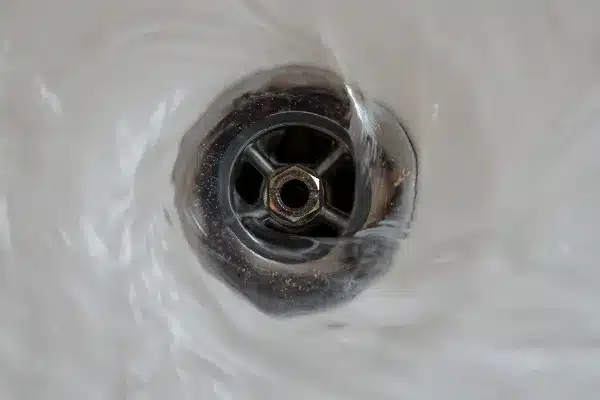
A slow drain is more than just an annoyance, it’s a clear warning that a blockage is developing within your pipes, potentially deep within your plumbing network. When water lingers in your sink basin, bathtub, or shower stall, it means the outflow is heavily restricted. While many homeowners reach for chemical drain cleaners as a quick fix, this approach often compounds the problem by damaging your pipes without addressing the root cause.
The severity of a slow drain depends on its location:
- Isolated Slow Drain: If only one fixture is draining slowly, the clog is usually localized to that specific branch line. Common causes include hair and soap scum buildup in bathroom drains, or grease and food particles in kitchen drains.
- Multiple Slow Drains: If all or most of your drains are sluggish, it points to a significant blockage in the main sewer line connecting your home to the municipal sewer or septic system. This is a much more serious issue.
In Boise homes, main line blockages are often caused by sludge buildup, debris, or even tree roots seeking moisture in the pipes. Our professionals use advanced tools like video camera inspections to accurately diagnose these deeper clogs, allowing us to perform targeted drain clearing services, such as hydro-jetting, that safely and effectively restore full flow. Don’t wait until a slow drain becomes a full sewage backup.
Why am I Hearing Gurgling Sounds Coming from My Drains or Toilet?
The sounds your plumbing system makes are critical diagnostic clues. While a sudden banging noise (known as water hammer) signals high pressure or loose pipes, a persistent gurgling sound is almost always a sign of a drainage or venting issue. That characteristic “blub-blub-blub” or “glug-glug-glug” noise occurs when air that should be escaping through your roof vent pipe is forced back up through your drains.
This bubbling is caused by one of two primary problems:
- Partial Blockage: A serious blockage deep in your main sewer line restricts the flow of water, creating negative pressure. As water tries to flow past the obstruction, it sucks the air out of your drain traps, resulting in gurgling.
- Vent Stack Obstruction: Your home’s plumbing vent system regulates air pressure, allowing wastewater to flow smoothly. If the vent on your roof is blocked, by bird nests, leaves, snow, or even dead animals, it can’t pull in air efficiently. This creates a vacuum when water drains, leading to the gurgling noise.
Ignoring gurgling is risking a total system failure. The air pressure imbalance means that wastewater and sewer gases are not being properly managed, which can lead to foul odors and, eventually, a messy sewer backup inside your home. Professional plumbing repair is necessary to snake the main line or clear the vent stack and restore proper system function.
Why Do I Have Significantly Low Water Pressure in My Home?
If your shower has become a disappointing trickle or your faucets take ages to fill a pot, you are dealing with low water pressure, a sign that the volume of water reaching your fixtures is severely limited. While sometimes localized to a single fixture (which can be fixed by cleaning a clogged aerator), low pressure across multiple fixtures signals a much larger, system-wide issue. This problem can be incredibly frustrating and indicates that your plumbing is under distress.
Common causes of widespread low water pressure include:
- Pipe Corrosion/Mineral Buildup: For older Boise homes, mineral deposits (scale) or rust within aging galvanized steel or copper pipes can significantly reduce the internal diameter of the pipe. This constriction chokes the water flow, reducing pressure throughout the house.
- Hidden Water Leaks: A major, unseen leak in your main water line or inside your walls diverts a significant volume of water before it reaches your taps. The loss of water volume translates directly to a drop in pressure.
- Faulty Pressure Reducing Valve (PRV): Many homes have a PRV installed to protect the system from excessively high pressure. If this valve fails, it can restrict flow too much, starving the entire house of adequate water volume.
Low water pressure is a strong hint that your pipes are nearing the end of their lifespan or that you have a major, concealed leak. Our technicians from Magic Electric, Plumbing, Heating & Air can diagnose the cause, from a simple PRV adjustment to recommending repiping services for homes with heavy corrosion, and restore the pressure you rely on.
Why are Foul or Rotten Egg Odors Coming From My Drains?
Unpleasant smells emanating from your sink or bathtub drains are not just gross; they are a health and safety risk that should never be ignored. While a simple foul smell might be caused by decaying food debris in the drain trap or garbage disposal, a pervasive rotten egg or sewage smell indicates a much more serious problem with your sewer system. This sulfurous odor is typically caused by sewer gas (hydrogen sulfide) escaping into your living space.
The presence of sewer gas usually points to one of three critical failures:
- Dry Drain Trap: Every drain has a U-shaped pipe, or trap, designed to hold a small amount of water. This water creates a seal that prevents sewer gas from coming up the pipe. If a drain, such as one in a guest bathroom, hasn’t been used, the water seal can evaporate, letting gas through.
- Clogged or Broken Vent Pipe: As discussed with gurgling, a blocked roof vent can cause a vacuum effect, pulling the water out of the traps and allowing sewer gas to enter your home. A break or crack in a sewer line is also a common cause, as it allows the gases to vent into the soil and then seep into your basement or crawl space.
- Sewer Line Backup/Rupture: The most serious cause is a clog or rupture in the main sewer line. This allows sewage and gas to back up into your home’s plumbing, creating an unmistakable and dangerous health hazard.
Exposure to hydrogen sulfide can be harmful, and in rare cases, high concentrations of methane (another sewer gas component) can pose a fire risk. Prompt diagnosis and drain cleaning or sewer line repair by a qualified Boise plumber are absolutely essential to eliminate this hazard.
What Do Water Stains or Bubbling Paint on Walls Indicate?
Few signs are as visually alarming or structurally damaging as noticing discoloration, stains, or physical deterioration on your interior walls or ceilings. These visual cues are undeniable evidence of an active, hidden water leak somewhere within your home’s structure.
Look out for these classic signs of drywall water damage:
- Yellow or Brown Stains: These “water rings” or streaks indicate that water has been slowly wicking through the building materials for some time, picking up discoloration from the insulation, wood, and drywall.
- Bubbling or Peeling Paint/Wallpaper: As water saturates the wall material, it compromises the adhesion of paint or paper, causing it to blister, bubble, or peel away from the surface.
- Sagging Ceilings: If the ceiling drywall begins to dip or feel spongy to the touch, it indicates severe, ongoing water saturation.
In the Boise area, these symptoms can sometimes be mistaken for roof leaks, but if the damage appears on a lower floor near a bathroom, kitchen, or laundry room, it is highly likely to be a plumbing leak. Hidden leaks are insidious; they foster black mold growth, rot wooden structural components, and compromise the integrity of your home. Call Magic Electric, Plumbing, Heating & Air immediately to utilize our leak detection expertise and stop the damage before it spreads.
Why Am I Constantly Running Out of Hot Water So Quickly?
A functional water heater is non-negotiable for comfort, especially when facing a chilly Boise morning. If you find your hot water supply dwindling faster than usual, or if the water temperature is fluctuating wildly, your water heater is signaling a problem that requires professional intervention.
Water heater issues typically fall into three categories:
- Sediment Buildup (Tank Heaters): Over time, minerals in the water settle at the bottom of the tank. This sediment creates an insulating barrier over the heating element, forcing the unit to work harder and less efficiently. This results in slow heating and reduced hot water capacity.
- Failing Heating Element/Gas Burner: The component responsible for actually heating the water may be malfunctioning, leading to inconsistent or insufficient temperatures.
- Tank Leaks: Puddles of water or moisture around the base of a tank water heater usually mean the tank itself has corroded and is leaking. Once the tank rusts through, replacement is the only safe and permanent option.
- If you are thinking about upgrading to a tankless water heater, it’s important to note that while they are highly efficient, they do require annual maintenance to prevent scale buildup.
Does a Soggy Yard or Lush Green Patch Mean a Pipe is Broken?
When living in the Boise area, an unexpectedly wet or soggy spot in your yard, particularly during dry weather, is a strong indication of an underground plumbing leak. Since your main water line and often your sewer line run beneath your property, any water that is actively saturating the ground has likely escaped a damaged pipe.
The characteristics of the wet spot can help identify the source:
- Clear Water Wet Spot: If the spot is just muddy and wet, it’s likely a leak in the main water supply line, wasting clean, potable water.
- Foul-Smelling Soggy Spot: If the wet area smells unpleasant, or if you notice a patch of grass that is remarkably greener and taller than the surrounding lawn (due to fertilization), it points to a leak or rupture in the main sewer line.
Ignoring these underground leaks is a high-stakes gamble. Water leaks can erode the soil beneath your home’s foundation, leading to serious and costly structural instability. Sewer leaks pose a health risk and can attract pests. At Magic Electric, Plumbing, Heating & Air, we use specialized detection equipment to locate and repair these underground leaks, often utilizing less invasive techniques like trenchless sewer repair to protect your landscape.
Why Is There No Water Coming Out of My Faucets at All?
While low pressure is a clear warning, having no water whatsoever flow from your taps is a plumbing emergency that demands immediate action. The cause can range from an issue outside your home to a critical pipe failure inside, but in Boise, the most urgent consideration is the winter climate. During cold snaps, a complete lack of water flow, even a trickle, often indicates frozen pipes.
In winter, here are the potential causes of total water loss:
- Frozen Pipe Blockage: When water freezes solid in an exposed pipe, the ice acts as a plug, blocking all flow to the rest of the house. A frozen pipe can burst when the ice thaws and expands, causing catastrophic flooding.
- Major Main Line Break: A complete rupture of the main water line either on your property or by the city can result in zero flow.
- Full Water Shutoff: You may have a faulty main shutoff valve that has accidentally closed, or the utility company may have performed emergency work.
If you have no water during freezing weather, turn off your main water supply immediately to minimize potential damage from a burst pipe and call for emergency plumbing repair. Magic Electric, Plumbing, Heating & Air can safely thaw frozen pipes and repair any resulting burst sections, preventing massive structural damage to your property.

Are My Pipes Making Strange Banging, Clanking, or Rattling Noises?
Your plumbing system should operate quietly and efficiently. Any persistent strange noises, beyond the sound of water running, are your pipes communicating distress. These audible warnings often relate to water pressure, pipe stability, or internal blockage issues. Ignoring these sounds means ignoring the mechanical stress being placed on your entire plumbing network.
The meaning of specific pipe noises:
- Banging (Water Hammer): This sharp, loud noise occurs when water flow is suddenly stopped (like when you quickly turn off a faucet or a washing machine valve closes). It means water pressure is too high, or the pipes are vibrating violently due to a lack of air cushion, which can eventually loosen fittings and cause leaks.
- Clanking/Rattling: This noise usually means that metal pipes or loose supports are vibrating against a wood structure or against each other. It’s a sign that the pipes are not securely fastened, which can lead to premature wear and joint failure.
- Hissing/Running Water (When Off): A persistent, subtle hiss or the sound of running water when all fixtures are closed almost certainly indicates a hidden leak, often in a crawl space. This sound often accompanies the high water bill noted earlier.
These sound-based warnings signal that components are stressed or failing. Addressing the root cause, whether it’s installing water hammer arrestors or securing loose pipe sections, is vital for long-term plumbing health and preventing future leaks.
Why Are There Visible Signs of Rust and Corrosion on My Pipes?
While most of your plumbing is hidden, any visible pipes, especially those in unfinished basements, crawl spaces, or under sinks, should be inspected regularly. If you see visible rust, corrosion, or discoloration, it’s a sign that your pipes are aging and deteriorating. This is particularly relevant in older Boise homes with original pipe materials.
Key indicators of pipe corrosion:
- Green/Blue Staining: On copper pipes, this discoloration (patina) is a sign of corrosion. While minor surface corrosion is normal, heavy build-up indicates the pipe material is thinning.
- Red/Brown Rust: If you have galvanized steel or cast iron pipes, the sight of heavy red or brown rust indicates the metal is actively oxidizing. This rust weakens the pipe walls and restricts the interior flow.
- Flaking/Pitting: Look for small pits or flaking metal near joints and connections. These spots are weak points where leaks are most likely to occur.
Corroded pipes are fragile and prone to bursting, leading to devastating flooding and water damage. Additionally, internal rust can contaminate your drinking water, leading to discolored or cloudy water from your taps. When visible corrosion is widespread, it’s a strong indication that it is time to plan for comprehensive repiping services to modernize your system and protect your home.
Is That Constant Dripping Faucet Truly a Problem?
The “drip, drip, drip” of a leaky faucet or a small bead of water accumulating beneath a fixture might seem like a minor cosmetic issue. However, the cost and the potential for greater damage from a dripping fixture are surprisingly high, making it one of the most common mistakes homeowners make.
The true cost of a drip:
- Water Waste: A single faucet dripping once per second can waste over 3,000 gallons of water per year, enough for nearly 200 showers. This unnecessary waste drives up your water bill and strains local resources.
- Fixture Damage: The constant dripping wears down the internal components, like washers, gaskets, and valve seats, causing the damage to worsen over time until the leak is a constant stream.
- Potential for Mold: Even a small drip under a sink can keep the cabinet and drywall moist, creating the perfect environment for mold and mildew growth in hard-to-see areas.
Whether it’s a faucet that needs a new O-ring or a showerhead that requires a simple cartridge replacement, addressing dripping fixtures is a fast, easy, and affordable plumbing repair that instantly saves you money. Don’t pay for water you aren’t using; call our professional plumbers to handle the fix.
Conclusion: Turning Plumbing Awareness into Home Protection
Your home’s plumbing system is its lifeblood, and just like any complex system, it communicates its needs through subtle (and sometimes not-so-subtle) warnings. Whether it’s the quiet sound of a gurgling drain, the shock of a high water bill, or the immediate panic of a frozen pipe in the depths of a Boise winter, recognizing these top ten signs is the first, most crucial step in preventing a small issue from becoming a costly catastrophe.
For all your plumbing needs, from routine maintenance and leak detection to emergency frozen pipe repair and water heater services, you need a team you can trust. Magic Electric, Plumbing, Heating & Air is Boise’s locally owned, licensed, and insured expert, offering upfront pricing and same-day service to restore your peace of mind quickly.
We are not happy until you are happy. If you’ve recognized any of the warning signs discussed here, the time to act is now. Contact Magic Electric, Plumbing, Heating & Air for your plumbing and electrical repair needs and let our professional technicians provide the honest, reliable solutions you deserve.
Frequently Asked Questions About Boise Plumbing Repair
What is the most common cause of high water bills in Boise homes?
The most common cause of a high water bill without a change in usage is a hidden leak. This usually points to a running toilet that continuously wastes water or a concealed pipe leak behind a wall or under the foundation. To check for this, monitor your water meter while all fixtures are off. If the meter still moves, water is escaping somewhere in your system, and professional leak detection is required to find and fix the source.
How often should I have my plumbing system inspected to prevent major issues?
Ideally, homeowners should have a professional plumbing inspection performed every two to three years, or immediately upon moving into an older home. These inspections are crucial for proactive maintenance. A plumber will use camera inspection tools to check the condition of your sewer line, assess water heater health, check for hard water scale buildup, and identify minor leaks before they can cause costly damage.
Should I try to thaw a frozen pipe myself if I live in Boise?
You should never attempt to thaw a frozen pipe using an open flame, propane torch, or anything that applies intense heat directly to the pipe. This extreme heat can cause the water inside to boil or the pipe material to rapidly expand, leading to a catastrophic burst. If you suspect a frozen pipe (zero water flow during cold weather), shut off the main water supply and call a professional plumber, like Magic Electric, Plumbing, Heating & Air, to use safe, controlled heating methods to thaw the pipe and check for any cracks.
What is the difference between a clogged drain and a main sewer line blockage?
A clogged drain is typically localized and only affects one fixture (e.g., a slow-draining shower). This is usually caused by hair or soap scum in that fixture’s trap. A main sewer line blockage, however, affects multiple fixtures across your home, often causing water to back up in unexpected places (like the toilet bubbling when the shower drains) and generating foul sewer odors. A main line blockage is a much more serious issue requiring professional sewer camera inspection and powerful equipment like hydro-jetting to clear.