
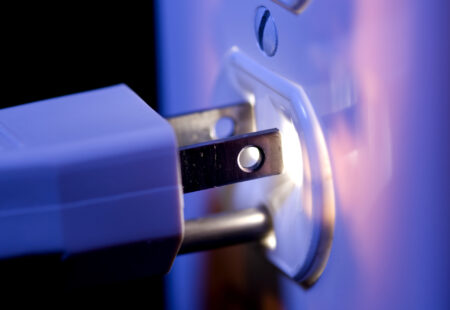
Plugging in your phone or starting an appliance and finding out that the outlet doesn’t work can be incredibly frustrating. Or worse, you hear a strange buzzing or see a spark. Not only is this inconvenient, it’s often a major safety concern.
In Boise, our homes, both brand-new and historic, rely on a complex electrical system to power our modern lives. When an electrical outlet starts to fail, it’s not just an annoyance, it’s a clear signal that something within your home’s wiring requires immediate attention. Ignoring these signs can lead to damaged appliances, lost power, or, most importantly, a fire hazard.
That’s where the professional touch of Magic Electric, Plumbing, Heating & Air Boise comes in.
We specialize in electrical repairs, and have seen every common outlet issue in the Treasure Valley. Our job is to move beyond simple troubleshooting to provide a permanent, safe fix that protects your family and your property. If your outlet is giving you cause for concern, here is our guide to the six most common problems we encounter and how our licensed electricians solve them.
Why Are My Outlets Not Working at All, and Is It Safe to Reset the Breaker?
A “dead outlet” is one of the most frequent electrical calls we receive from homeowners in Boise. This issue is often related to the circuit itself, which involves two primary safety mechanisms: the circuit breaker and the GFCI outlet.
Circuit Breaker Trip: The Protective Shutdown
A tripped circuit breaker is the electrical system’s way of hitting the panic button. When too much current flows through a wire, either from an overload or a short circuit, the breaker flips to the “off” or middle position, instantly cutting power.
-
- Overloaded Circuit: This is the most common reason. This typically happens when you plug too many high-draw devices into a single circuit.
-
- Short Circuit: This is more serious, occurring when a hot wire touches a neutral wire or the ground, causing a rapid, excessive surge of current. This is often an indicator of faulty wiring, loose connections, or a bad appliance.
You can reset a breaker yourself by flipping it completely off, then back to the “on” position. However, if that same breaker immediately trips again, you should leave it off and call a professional. This indicates a persistent problem, likely a dangerous short, and you’ll need to a licensed electrician right away.
GFCI Outlets: The Silent Sentinel
In areas prone to moisture, like kitchens, bathrooms, garages, and outdoors, you have special outlets called Ground Fault Circuit Interrupters (GFCIs). These are designed to prevent electrocution.
-
- A GFCI constantly monitors the flow of electricity and instantly trips (interrupts the circuit) if it detects a tiny imbalance, such as electricity leaking to the ground (potentially through a person).
-
- Sometimes, an outlet that looks like a standard receptacle might be “dead” because it’s on the load side of a GFCI outlet located in a different room.
-
- Check all of your GFCI outlets and press their “Reset” buttons. If the outlet works, great! If it won’t reset, or keeps tripping, the GFCI itself, or the wiring it protects, is likely compromised and requires professional attention.
The Hidden Cause: Loose Wiring
If neither the breaker nor a GFCI is the culprit, the power loss often points to loose wiring inside the outlet box itself. This is a subtle yet dangerous issue.
-
- Over time, connections can vibrate loose, especially if “stab-in” connections were used instead of secure screw terminals.
-
- A loose connection can cause the current flow to stop completely, resulting in a dead outlet.
-
- More frequently, however, a loose connection leads to resistance, which manifests as heat, which can lead to an eventual fire.
Our Magic Solution: A Magic Electric expert will safely remove the outlet and inspect the connections, tightening or replacing the device entirely to eliminate the hazard and restore reliable power. You should never attempt to remove an outlet plate or touch wiring without first shutting off the power at the main panel.

What Are the Most Dangerous Warning Signs of a Faulty Outlet?
While a dead outlet is frustrating, certain warning signs are inherently dangerous and represent an active threat to your home’s safety. When you encounter these issues, stop using the outlet immediately and contact our Boise-based, electrical repair specialists.
Overheating and Warm Outlets
Outlets are designed to operate at ambient room temperature; they should not feel noticeably warm or hot to the touch. Heat is the ultimate sign of excessive resistance and current flow issues.
-
- Friction and Resistance: Heat occurs when current flows through high-resistance points, most commonly where a loose wire connection is generating friction.
-
- Immediate Fire Risk: Excessive warmth, especially if accompanied by a slight melting or scorching on the plastic cover, means the wiring insulation is burning or melting. This is a fire hazard that should be addressed immediately by an emergency electrician.
Sparking or Arcing When Plugging In
A tiny, momentary spark when you plug a device in can sometimes be normal, particularly with high-powered appliances like a vacuum or hair dryer. This is known as an inrush of current.
-
- When Sparks Are a Problem: If the spark is large, blue, or lingers for more than a split second, or if sparks occur without plugging anything in, you have an arc fault.
-
- Arc Fault Danger: An arc fault is a high-temperature discharge of electricity between two conductors. This discharge can ignite nearby dust, insulation, or wood framing, leading to a fire inside your wall.
-
- Professional Diagnosis: A Magic Electric technician uses specialized tools to pinpoint the exact location of the arc fault, which could be in the outlet, the wall switch, or the wiring running between them.
Buzzing, Sizzling, or Clicking Noises
An operational electrical outlet should be completely silent. Any audible sound is a definite red flag.
-
- Buzzing: A persistent buzzing or humming noise usually signals loose components within the outlet itself or loose wires inside the electrical box. The sound is caused by the vibration of electric current struggling to cross a gap in the connection.
-
- Sizzling/Crackling: This is perhaps the most serious audio cue, as it can indicate a small, ongoing electrical fire or arcing inside the wall.
-
- Immediate Action: If you hear buzzing or sizzling, turn off the power to that circuit at the main breaker panel and call our experts.
What Do Professionals Say About Loose Outlets and Why Are They a Fire Hazard?
Loose outlets are frequently underestimated by homeowners, but they represent a systemic problem that affects efficiency and poses a serious fire risk. A loose connection can refer to two separate issues: the plug not staying in the receptacle, or the internal wiring connections being loose.
The Danger of Receptacle Wear
The internal contacts of an electrical receptacle, known as the “shutters” or contact springs, are designed to grip the prongs of a plug firmly. Over years of use, especially in older Boise homes, these contacts wear out.
-
- When the grip is weak, the plug tends to sag or slip out.
-
- This loose physical connection increases the resistance when electricity is being drawn.
-
- The current struggles to jump from the outlet contact to the appliance prong, creating heat and small, continuous arcing, which is highly dangerous.
If you have to wiggle a plug to get power, or if plugs easily fall out, it’s time for a replacement. Replacing the receptacle restores a firm grip, ensures continuous contact, and eliminates the resistance that causes dangerous heat buildup.
The Scourge of Loose Internal Wiring
As mentioned, loose wiring inside the junction box is a major culprit for dead and dangerous outlets. In the electrical trade, there are a few common installation methods, and one in particular, while technically allowed, can increase the chance of looseness over time:
-
- Screw Terminals (Best Practice): Wires are securely wrapped around and tightened beneath metal screws on the side of the outlet. This connection is robust and durable.
-
- Back-Wiring (or Stab-in Connections): Wires are simply pushed into small holes in the back of the outlet. Over time, these spring-loaded connections are prone to failure and can vibrate loose, especially on high-current circuits.
When a Magic Electric expert comes to your home, we don’t just replace the outlet; we upgrade the wiring connections. We ensure that all connections are securely fastened to screw terminals with the appropriate torque, eliminating the instability that leads to arcing and power loss. This meticulous attention to detail is why trusting a licensed expert is crucial for your safety.
What Happens When Outdated Two-Prong Outlets Limit My Safety and Power?
Boise is a city rich with history, and many beautiful older homes feature original electrical wiring, including the classic, two-prong outlets. These outlets lack an important safety component that’s standard in all modern electrical systems: the ground wire.
The Importance of the Ground Wire
The third, round hole on a modern three-prong plug connects to the ground wire (usually bare copper or green insulation). This wire provides an alternate, safe path for electricity to flow in the event of a fault.
-
- If an appliance malfunctions and electricity touches the casing, the ground wire directs that charge harmlessly into the earth.
-
- Without a ground wire, a fault can leave the appliance casing “live,” and the next person to touch it could suffer an electrical shock or electrocution.
Upgrading for Modern Safety
Our licensed electricians will never simply install a three-prong outlet where there is only two-wire (ungrounded) cable. This creates a false sense of security. There are two safe solutions:
-
- Rewiring: The ideal, long-term solution is to run new, grounded wiring (three conductors) to the outlet location.
-
- GFCI Protection: An acceptable and common alternative is to replace the two-prong outlet with a GFCI outlet. The GFCI doesn’t add a ground wire, but it detects ground faults and shuts off power faster than a standard breaker, offering shock protection in the absence of a ground wire.
Our technicians will assess your home’s wiring and recommend the safest, most cost-effective path to bring your outlets up to modern safety standards.
Why Are GFCI Outlets Still Tripping After I Press Reset?
The purpose of a GFCI (Ground Fault Circuit Interrupter) is to prevent lethal electrical shock. When it trips, it’s always for a good reason. So, if you hit the reset button and it trips again, you have a serious problem.
Persistent Ground Faults
Common causes include:
-
- Water Infiltration: If the outlet is near a sink or outdoors, moisture may have gotten inside the receptacle box or traveled along the wire.
-
- Damaged Appliance or Power Cord: The fault may lie within the appliance you are plugging in, whose internal wiring is leaking current to its metal casing or to the ground.
-
- Internal Wiring Damage: Sometimes, a nail or screw inadvertently driven through the wall nicks the wiring, creating a path to ground that the GFCI correctly identifies as a fault.
-
- GFCI Failure: Like any electronic device, the GFCI unit itself can fail and need replacement, but this is less common than an actual ground fault.
The Diagnostic Advantage of an Electrician
Attempting to reset a constantly tripping GFCI can be dangerous as the GFCI is doing its job by staying tripped.
-
- A licensed professional from Magic Electric can use specialized meters to test the wiring upstream and downstream of the GFCI.
-
- Our diagnostic process allows us to isolate the fault, whether it’s the outlet itself, the wiring leading to it, or a connected device, ensuring we replace or repair the correct component and restore safety.
-
- We can also trace the entire circuit, as one faulty GFCI can protect many subsequent outlets, meaning the true fault may be far from the outlet you’re trying to use.
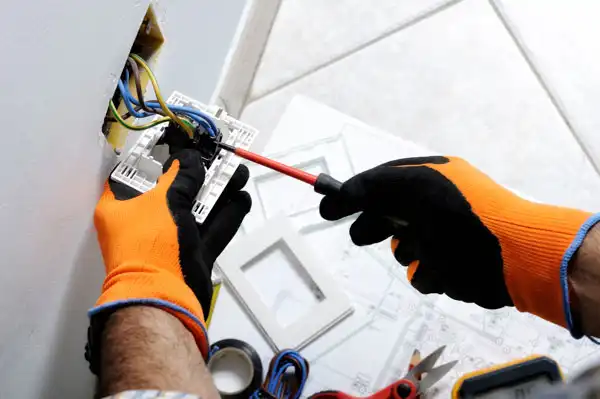
Why Do I Need a Licensed Electrician Instead of a DIY Fix in Boise?
While checking a tripped circuit breaker or resetting a GFCI are safe, the vast majority of outlet issues require the expertise of a licensed professional. In fact, many DIY electrical repairs can void your home insurance.
The Inherent Risk of Electrical Work
Electricity is unforgiving. A momentary lapse in judgment or a simple wiring mistake can lead to catastrophic results.
-
- Shock and Electrocution: Working with live electricity carries a severe risk of injury or death. Even after turning off a breaker, residual current can be present, and mistakes in identifying the correct wire or circuit are common.
-
- Fire Hazards: Improper connections, incorrect wire sizes, and shoddy splicing are the leading causes of electrical fires in residential homes.
The Magic Electric Difference: Professionalism and Safety
When you call Magic Electric, Plumbing, Heating & Air Boise, you’re not just hiring a handyman; you’re hiring a team that guarantees safety, quality, and peace of mind.
-
- Licensed and Insured: Our electricians are fully licensed, ensuring they understand all local Boise codes and national electrical standards. Our comprehensive insurance protects you and your property during the service call.
-
- Upfront Pricing: We provide an honest, detailed quote before any work begins. There are no surprise fees or hidden costs, so you can make an informed decision without pressure.
-
- Same Day Service: We understand that major outlet issues can’t wait. We offer Same Day Service to address your urgent electrical needs quickly and efficiently.
-
- Full-Service Expertise: As a local, multi-trade service provider, we can handle any issue that arises, from the smallest outlet repair to a complete panel upgrade, offering a seamless solution for your entire home.
Whether your issue is a seemingly minor loose connection or a persistent, dangerous buzzing, the smartest decision you can make is to trust your home to the top-rated electrical repair experts in the Boise area.
Conclusion: Don’t Let Outlet Issues Jeopardize Your Home’s Safety
The common outlet issues we discussed, from persistent GFCI trips to dangerous overheating and sparking, are more than minor inconveniences; they are critical indicators that your home’s electrical infrastructure needs help. Trying to address complex wiring issues yourself can turn a simple repair into a serious safety hazard.
For homeowners in Boise, Meridian, Eagle, and the surrounding Treasure Valley, the solution is simple: call the team that brings the magic touch to home services. Our Licensed Electricians are ready to provide the Upfront Pricing and Expert Craftsmanship you deserve.
Don’t wait for a spark to turn into a fire. If you have a dead, warm, or buzzing outlet, contact Magic Electric, Plumbing, Heating & Air Boise today to schedule your $49 Electrician Repair Diagnostic and restore safety to your home.
Frequently Asked Questions (FAQ) About Outlet Repairs
1. Can a dead outlet affect other outlets in my house?
Yes, absolutely. Electrical outlets are often wired together in a sequence, or chain, known as a circuit. If the first outlet in a series fails due to a loose connection or a short circuit, every subsequent outlet “downstream” on that same circuit will lose power and stop working. This is why a technician must check the first working outlet before the dead one to trace where the connection has failed.
2. What is a “half-hot” outlet, and why is it not working?
A half-hot outlet is a receptacle where one socket (usually the top one) is constantly powered, and the other socket (usually the bottom one) is controlled by a wall switch. Homeowners sometimes mistake the switched socket for a dead outlet. If your outlet isn’t working, check to see if there is a nearby wall switch that controls one of the sockets. These are typically used for floor lamps.
3. How long do standard electrical outlets typically last before needing replacement?
Standard electrical outlets, or receptacles, have a lifespan that varies widely based on quality and usage, but they generally last 15 to 25 years. Outlets in high-traffic areas, like kitchens or bathrooms, tend to wear out faster due to constant plugging and unplugging, which loosens the internal contact springs. A lifespan of 20 years is a good benchmark, and if your home’s outlets are older, they should be inspected for safety and wear.
4. What is the difference between an overloaded circuit and a short circuit?
Both cause a breaker to trip, but the root cause is different:
-
- Overloaded Circuit: Occurs when the total amount of electricity demanded by all plugged-in devices exceeds the amperage rating of the circuit wiring and breaker (e.g., trying to draw 25 amps on a 15-amp circuit). This is usually a capacity problem.
-
- Short Circuit: Occurs when a hot (live) wire makes direct, unintended contact with a neutral or ground wire. This creates a path of virtually zero resistance, causing an instantaneous surge of current that the breaker must interrupt. This is an electrical wiring fault.
5. Is it safe to plug a three-prong plug into an old two-prong adapter?
While adapters exist, we strongly advise against using them long-term. The third, round prong on a plug is the essential grounding path. When you use an adapter, you are deliberately bypassing this safety feature. Unless you’re connecting the pigtail wire of the adapter to a reliably grounded screw on the outlet plate, you have zero ground fault protection, greatly increasing your risk of shock or fire.