
Boise’s crisp fall mornings are on the way, and few things feel better on chilly mornings than stepping into a hot shower or warm bath. Behind that comfort is your water heater, quietly working day after day, season after season—but that everyday use adds up to wear and mineral buildup that can slow it down and shorten its lifespan.
The good news? A little fall TLC goes a long way. With a few simple seasonal check-ins, you can keep your water heater running efficiently, extend its life, and make sure warm water is ready whenever it’s needed. Use our fall guide to learn 5 maintenance tips that will keep your water heater happy—and ready for every season ahead.
Know Your Water Heater and Hot Water Use
First, before we jump into the 5 ways to care for your water heater, it’s helpful to understand what “normal” use looks like for your tanked or tankless unit—and what situations can push it to the limit.
Tanked vs. Tankless Water Heater: Learn About Your Water Heater
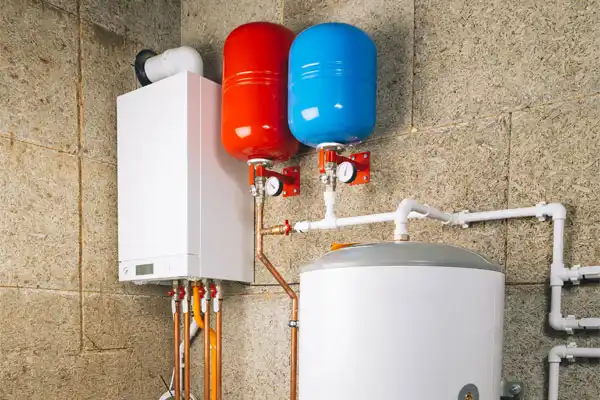
Since maintenance and expectations can differ between a tanked and a tankless water heater, it helps to understand how each type works and what it needs to stay in top shape.
Tanked water heaters use a tank to store a set amount of hot water ready for use. They can run out during heavy demand, but are relatively easy to maintain with tasks like flushing sediment and checking the anode rod.
Tankless water heaters heat water on demand, so you never run out. Maintenance focuses on descaling and keeping filters clean to ensure efficient, reliable operation.
Knowing more about your water heater ensures that the steps on our fall water heater guide can apply correctly to your home.
Hot Water Demand and Water Heater Strain
Tanked and tankless units respond to high demand differently. Tanks can run out of hot water fast, while tankless units must heat a large volume of water instantly, on demand. Either way, this high demand means your water heater is pushed to work harder. Over time, this strain puts stress on your system, increasing wear and tear and lowering its efficiency.
Even everyday routines and common household situations can put extra strain on your water heater. Knowing what can stress your water heater helps you take simple steps to protect it—and keep hot water flowing whenever you need it.
Points of Strain—Daily Routine Use
Even normal routines can make your water heater work harder:
- Showers and baths: Long or multiple daily showers—after workouts, yard work, or outdoor adventures—consume significant hot water.
- Laundry: Warm or hot cycles for towels, bedding, and heavily soiled clothes add extra demand.
- Dishwashing: Hand washing or dishwashers that rely on 120°F+ water can make your water heater work harder.
Points of Strain—Challenges that Strain Your Water Heater
Here are some common situations that can push your water heater to its limits and put extra strain on the water heater:
- Household size & guests: More people in the home can easily double or triple daily hot water use.
- Simultaneous use: Running showers, laundry, and sinks all at once makes your heater work overtime, which can wear it down faster and leave less hot water for everyone else.
- Heavy-duty tasks: Filling large tubs, doing back-to-back laundry loads, or washing very dirty items can temporarily overwhelm your water heater.
Why it matters: Recognizing when your water heater is working hard is the first step in maintaining its health. Understanding your daily habits and what pushes or triggers your water heater can set the stage for the first item on our fall water heater guide: making life easier on your heater.
5 Ways to Extend Your Water Heater’s Lifespan This Fall
1. Make Life Easier on Your Heater
Simple changes to your daily routine or patterns of demand can reduce stress on your water heater. Help your water heater work smarter, not harder. Spreading out hot water use improves comfort, prevents unnecessary wear, and can slightly reduce energy bills.
Tips for homeowners:
- Stagger tasks: Run laundry, dishwashers, and showers at different times when possible. For busy Boise households, consider a schedule like showers before 7 a.m., laundry mid-morning, and the dishwasher after dinner.
- Track usage: Notice when your peak hot water use occurs and plan accordingly. Spreading out demand prevents cold spots and inconsistent temperatures.
- Stay on top of water heater maintenance: Flushing tanks, checking pressure relief valves, and inspecting tankless units can keep them efficient.
- Consider upgrades: Installing a new tanked unit with a bigger tank or upgrading to a highly-efficient tankless model can handle heavy demand without extra strain.
If your household is large or uses a lot of hot water, a expert professional can recommend the right unit size and setup to meet your household’s needs—so your family can stay comfortable with dependable hot water.
Fall reminder: With back-to-school business and holidays, fall is an ideal time to track household water use patterns that will carry through December.
2. Keep Hard Minerals at Bay
Treasure Valley water is considered moderately hard to very hard, meaning it has higher levels of minerals like calcium and magnesium. Hard water isn’t harmful to drink, but over time, those minerals leave deposits inside your pipes, appliances, and water heater. According to the Water Quality Research Foundation (WQRF), mineral buildup can reduce your water heater’s efficiency by up to 48%. This slows down heating, increases your energy costs, and even shortens your water heater’s lifespan. A 2009 study by WQRF found that, due to scale buildup, some tankless water heaters failed after just 1.6 years! (That’s just a fraction of its 15 to 20-year lifespan.)
Inside your water heater, minerals can settle at the bottom of the tank or build up on the heat exchanger in a tankless unit, causing your unit to work harder. Flushing clears out sediment from the bottom of a tanked water heater. Descaling removes mineral deposits from a tankless unit’s heat exchanger so it can heat water efficiently again.
Tips for homeowners:
- Flush or descale annually: Tanked water heaters should be flushed annually, and some tankless units allow simple descaling. Since Treasure Valley’s hard water ranking is high, this may require more frequency if your household uses a lot of hot water.
- Watch for signs of mineral buildup: Slow heating, rumbling noises, or reduced flow can indicate buildup.
Fall reminder of water heater maintenance: Preventing mineral buildup now keeps your water heater efficient and ready for winter’s higher hot water demand.
3. Set the Right Temperature
Most water heaters come with a factory setting around 140°F—hotter than most homes need. For safety, comfort, and energy efficiency, 120°F is usually the sweet spot for Boise households. If you’re unsure what your water heater is set to—or how to adjust it safely—consult a professional technician during your fall maintenance check.
Finding the right temperature is a real Goldilocks situation. Too hot, and you risk higher energy bills, faster mineral buildup, and even scalding during showers or handwashing. Too cool, and dishes and laundry may not get fully clean, and showers can feel chilly on crisp Boise mornings. At around 120°F, your water is just right: safe, comfortable, and energy efficient.
Tips for homeowners:
- Lowering the temperature by 10–15 degrees from a higher setting can save energy without sacrificing comfort.
- Ask a expert technician to check and adjust your thermostat during your fall maintenance visit—they can make sure it’s set just right for your household size, hot water use, and water heater type.
Why it matters: Proper temperature settings keep your water heater running efficiently, reduce the risk of mineral buildup, protect your family from burns, and help your unit deliver reliable hot water all year.
4. Catch Water Heater Problems Before They Grow
Water heater breakdowns rarely happen overnight—they usually start small, often when you’re not paying much attention, like during the warmer months. Catching these early signs can save headaches, energy, and money down the line.
Watch for these warning signs:
- Fluctuating water temperature
- Longer waits for hot water
- Popping or rumbling noises from the tank
- Reduced pressure at hot taps
- Minor leaks around pipes or connections
DIY checks you can do:
- Listen for unusual sounds coming from your tanked or tankless unit once a month.
- Inspect visible pipes, valves, and connections for small leaks.
- Keep an eye on how quickly hot water reaches your taps or showers—any slowdown could signal a buildup of sediment or a developing issue.
Why it matters: Small issues—like minor leaks, sediment buildup, or scaling—can quietly reduce efficiency, increase energy consumption, and put stress on your water heater. Addressing problems early keeps your water heater running efficiently, prevents costly repairs, and ensures you have reliable hot water through Boise’s chilly winters.
5. Get Annual Water Heater Maintenance
Beyond flushing and descaling, an annual maintenance check keeps your water heater healthy and extends its life. Fall is a great time to schedule it—before winter demand spikes.
Tanked Water Heater:
- Included in professional tune-up: Full flush, T&P valve check, visual inspection for leaks or corrosion, and anode rod inspection every 2–3 years.
- DIY-friendly: Homeowners can flush the tank and check the T&P valve once a year.
- Frequency: Annual water heater maintenance is recommended, but you may consider servicing it more often if water is very hard or usage is high.
Tankless Water Heater:
- Included in professional tune-up: Descaling, air filter cleaning, and system diagnostics (leaks, sensors, overall function).
- DIY-friendly: Clean the air filter every 1–3 months, depending on usage.
- Frequency: Annual maintenance is recommended; however, more frequent maintenance may be needed for very hard water or high-demand households.
Fall reminder: Annual maintenance catches minor issues before they grow, improves efficiency, and ensures your water heater can meet Boise’s seasonal hot water demands reliably.
Partner with a Local Expert for Water Heater Maintenance and Installation
Seasonal swings and Boise’s hard water create unique challenges for water heaters. Working with a local, trusted plumber ensures care that’s tailored to your home, including:
- Handling hard water and mineral buildup
- Managing seasonal changes that affect hot water demand
- Maintenance and repair for tanked or tankless units
Keep Hot Water Steady All Year Long
A little attention goes a long way. By following these 5 tips—and working with a trusted local pro—you’ll keep your water heater running efficiently and avoid those cold-water surprises.
At Magic Electric, Plumbing, Heating + Air, we know Boise and Treasure Valley homes inside and out. Our expert plumbers provide tune-ups and repairs tailored to our region’s hard water and seasonal demands. With upfront pricing and 24/7 service, you’ll always have hot water when you need it most. Call today or schedule online for peace of mind all year long.