
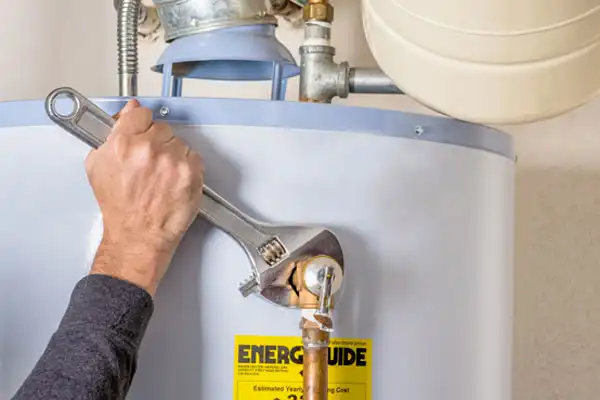
The water heater is perhaps the most taken-for-granted appliance in your home, until it starts talking back. That familiar, comforting silence of a system doing its job can suddenly be shattered by a startling symphony of strange sounds: loud pops, aggressive bangs, persistent hisses, and high-pitched screeches. These sounds are warning signs, and recognizing them early can save you from major repairs down the road.
When your water heater acts up, it’s sending an urgent message that an internal component is compromised. Ignoring these noises is a direct path to higher energy bills, a drastically shortened appliance lifespan, and, potentially, an unexpected, and expensive tank failure or leak. Understanding why your water heater is complaining is the first step toward keeping your home safe and warm.
As experts in home comfort and system integrity, Magic Electric, Plumbing, Heating & Air has decoded the most common water heater noises homeowners encounter. We’ll walk you through the five loudest and most concerning sounds, explain the root cause of each, and outline the immediate actions you should take. Acting quickly can mean the difference between a simple maintenance fix and a full water heater replacement. Let’s dive into what those sounds truly mean for your home.
What is the Loud Popping or Rumbling Sound, and Why Does it Happen?
If your water heater sounds like a giant popcorn machine or rolling thunder, you’re likely hearing the tell-tale sign of excessive sediment buildup. This is, without a doubt, the most common noise complaint and one that must be addressed promptly.
What Causes Popping and Rumbling?
The culprit is simple: hard water. Hard water contains high concentrations of dissolved minerals, primarily calcium and magnesium. Over time, these minerals separate from the water when heated and settle on the bottom of the tank, forming a thick, insulating layer of sediment.
The mechanical breakdown of why this causes a racket:
- Insulation Effect: This layer of sediment acts as a thermal blanket, covering the heating element (in electric models) or the burner assembly (in gas models).
- Overheating: To compensate for the obstruction, the heating element or burner must run longer and hotter than necessary.
- The “Kettling” Effect: Water gets trapped underneath the hardened sediment layer. As the heat rises, the trapped water is flash-boiled, rapidly turning into steam bubbles. When these steam bubbles finally burst through the sediment, they create the distinct popping sound.
- Shifting Debris: The continuous boiling and expansion of water under the sediment can cause the layer to shift and roll, creating the deep, resonating rumbling noise you hear.
What Should You Do Immediately?
This noise is serious because it is actively reducing your water heater’s efficiency and integrity.
- Safety First: If the noise is extremely aggressive or accompanied by shaking, turn off the power (electric) or gas supply to the unit.
- Schedule a Flush: The solution for sediment buildup is a thorough tank flush and drain. This process removes the accumulated debris. While this is a common DIY task, if the sediment has hardened into large pieces, or if you have a gas unit, it’s best left to a professional plumber. Improper flushing can dislodge chunks that clog the drain valve.
- Prevent Future Issues: Consider installing a water softening or conditioning system, especially if you live in an area known for hard water. Regular annual flushing is the best preventive maintenance.
If you ignore the popping and rumbling, the sediment will eventually cause the heating element to fail, weaken the tank lining, and lead to premature failure and potentially a leak.
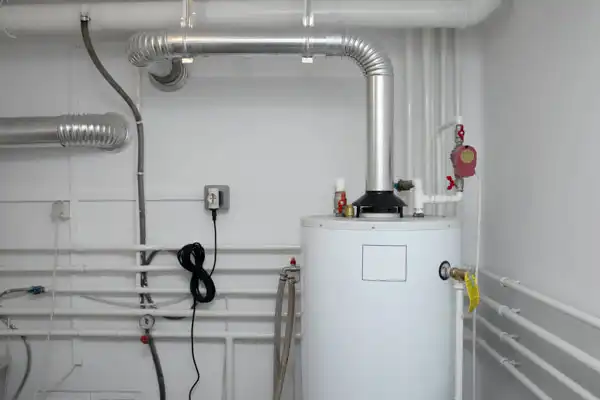
Does Hissing or Sizzling Mean My Water Heater is Leaking or Overheating?
A hissing, sizzling, or soft crackling noise is usually more subtle than the rumbling sound, but it often indicates a serious underlying issue that demands immediate inspection. These sounds typically signal that water is meeting a surface that is too hot.
What Causes Hissing and Sizzling?
The cause depends heavily on whether you have a gas or electric water heater:
- Scenario A: Tank Leak or Condensation (Gas & Electric)
- In a gas unit, hissing or sizzling is frequently caused by a small leak from the water tank or a connection dripping water onto the extremely hot burner assembly.
- In electric units, this can happen if water is leaking onto the terminal connections or the heating element flange.
- Condensation forming on the vent or flue piping and dripping down can also cause a sizzling sound upon contact with the burner chamber.
- Immediate Action Required: A persistent hissing or sizzling, especially if water is visible around the base, means you have a leak. Turn off the water supply to the heater and shut down the power/gas right away. A combination of electricity/gas and water is an extreme hazard.
- Scenario B: Scaled Heating Element (Electric Only)
- If you have an electric water heater and the sound is a crackling or slight hiss coming from inside the tank, it might be mineral scale (limescale) built up directly on the heating elements.
- Similar to sediment on the tank bottom, this scale traps water, which vaporizes and causes the crackling sound as it escapes.
When Does a Hissing Sound Turn into an Emergency?
Any sound suggesting a leak is an emergency. Water leaking from the tank is often a sign that the corrosion has penetrated the tank’s lining. Once the metal wall is breached, the tank can no longer be repaired and must be replaced.
Key Factual Steps to Take:
- Visually inspect the unit for drips or a puddle of water.
- Check the Temperature and Pressure (T&P) relief valve pipe, sometimes a faulty valve allows water to constantly drip, causing the hiss.
- If the sound is related to internal scaling, the heating element may need to be descaled or replaced, which is a delicate procedure best handled by a professional technician.
- Never try to find a leak or tighten fittings on a pressurized hot water tank unless the power and water supply are completely shut off.
Why Does My Plumbing System Sound Like a Banging or Knocking Hammer?
A loud, sudden, sharp banging or knocking noise that occurs when you turn off a faucet, a toilet stops filling, or an appliance valve closes quickly is usually an issue stemming from the pipes themselves, not the water heater’s internal components. This phenomenon is commonly known as water hammer.
What is Water Hammer, and How Does it Affect the Heater?
Water hammer is the shock wave created when the flow of water is abruptly stopped or forced to change direction. The momentum of the water is suddenly arrested, causing a surge of pressure that makes the pipes vibrate and strike against neighboring surfaces, or even against the water heater itself.
While the noise originates in your plumbing, it presents a significant threat to your water heater:
- Component Damage: The continuous shockwaves can stress and damage the water heater’s internal piping, connection points, and valves over time, potentially leading to premature failure or leaks.
- High Pressure Indicator: Water hammer is often a symptom of excessively high water pressure in your home’s main supply line. Optimal residential pressure is typically between 40 and 60 psi (pounds per square inch). Pressure consistently above 80 psi dramatically increases the risk of component failure.
What Can Be Done to Stop the Banging?
Addressing water hammer is essential for the longevity of your entire plumbing system:
- Check Water Pressure: The first step is to use a pressure gauge on an outdoor spigot to test your home’s water pressure.
- Adjust the PRV: If the pressure is too high, you may need to adjust or install a Pressure Reducing Valve (PRV). A PRV regulates the incoming pressure to a safe level.
- Install Water Hammer Arrestors: These specialized devices are installed near quick-closing valves (like those for washing machines or dishwashers). They use a cushion of air to absorb the pressure shock, effectively eliminating the hammering sound and protecting your plumbing and water heater connections.
- Secure Loose Pipes: Sometimes, the banging is simply loose pipe straps or supports. While tightening these can stop the noise, it doesn’t solve the underlying pressure problem, which still requires professional attention.
Given the potential for pipe damage and the complexity of PRV adjustment, calling a licensed plumber from Magic Electric, Plumbing, Heating & Air is the safest way to diagnose and resolve chronic high-pressure issues.
Why is My Water Heater Making a High-Pitched Screeching or Whistling Noise?
If your water heater sounds like a tea kettle that never stops boiling, it’s a clear sign that water flow is being severely restricted, forcing water and pressure through a space too small for the volume it’s carrying.
What Causes Screeching and Whistling?
This high-pitched sound is almost always mechanical and related to restricted flow. The most common causes are:
- A Partially Closed Valve: The cold water inlet valve that controls the water entering the tank may be partially closed. This creates a bottleneck that forces water to squeeze through a tiny opening under high pressure, generating the whistling sound.
- Faulty or Worn Valve: Sometimes, the valve itself is not fully shut off but has internal components that are corroded, misaligned, or stuck, physically restricting the flow path.
- Sediment Blocking the Drain Valve: Although less common, if the drain valve is clogged with hardened sediment, the screeching can occur during or immediately after the draining process.
- Pressure Relief Valve (T&P) Issues: If the sound is coming directly from the T&P relief valve, it signals a serious over-pressurization issue in the tank, which could lead to catastrophic failure if not addressed immediately.
What is the Immediate Action for a Restricted Flow?
The primary concern with restricted flow is that it places immense strain on the tank and plumbing connections.
Steps for Immediate Assessment:
- Check the Inlet Valve: Locate the main cold water inlet valve leading to your water heater. Ensure the handle is fully in the “Open” position. A small adjustment can often solve the problem instantly.
- Examine the T&P Valve: If the screeching is localized at the T&P valve, immediately shut off the power/gas to the water heater. This valve is designed to release pressure, and if it’s whistling, the pressure inside the tank may be dangerously high.
- Call a Professional Plumber: If adjusting the inlet valve does not stop the noise, the issue is internal, requiring component diagnosis or replacement. Attempting to repair or replace specialized valves without training can lead to leaks or major flooding.
Whistling sounds related to plumbing are a high-priority service call. They indicate a component that is failing to perform its designed function of maintaining safe and stable water flow.
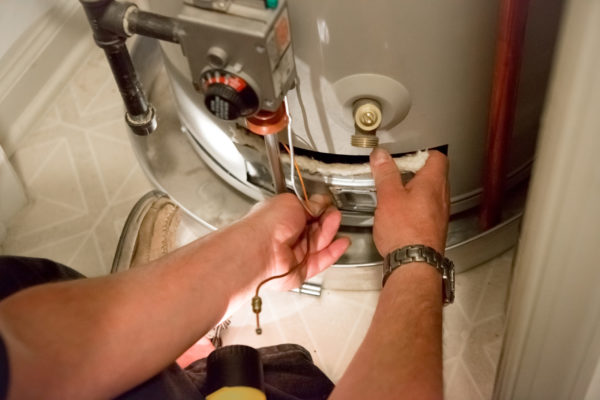
Is a Constant Humming or Buzzing Sound a Sign of an Electrical Problem?
While the four noises above are typically aggressive symptoms of physical or mineral problems, a consistent humming, buzzing, or vibrating sound is often an indicator of a component that is loose or experiencing electrical interference.
What Causes Humming and Vibrating?
A low-frequency hum is usually associated with the operation of electric or gas components under normal circumstances, but when the hum becomes excessively loud or persistent, it points to a physical issue:
- Loose Electric Heating Element: In electric water heaters, the heating elements are secured with bolts or a flange. If one of these elements becomes slightly loose due to vibration or expansion/contraction cycles, it will vibrate when energized, resulting in a pronounced humming or buzzing sound.
- Gas Valve or Burner Vibration: In gas units, a loud hum can sometimes be caused by the gas valve solenoid or the burner assembly vibrating against the surrounding metal housing when firing up.
- Heat Trap Nipple Vibration: Many modern water heaters use “heat trap nipples” on the inlet/outlet pipes to save energy. Occasionally, the internal components of these nipples can rattle or vibrate, creating a persistent ticking or humming sound.
How Do You Resolve a Persistent Hum?
This is generally not an emergency, but it signals inefficiency and future component failure.
- Electric Fix: If the issue is a loose heating element, a skilled technician can turn off the power, drain the tank partially, and re-tighten or replace the element. DIY Warning: Working with high-voltage electricity and pressurized water tanks is inherently dangerous and should only be performed by a licensed professional.
- Gas Fix: If the sound comes from the burner assembly area, a technician must inspect the venting, flue pipe, and burner chamber for debris or misalignment.
- Component Swap: If the noise is traced to a faulty gas valve or problematic heat trap nipples, the component must be replaced.
Ignoring a loud humming can lead to the heating element failing entirely or the loose component causing physical damage to the tank lining over time. This is especially true if the element is vibrating hard enough to compromise its watertight seal.
Conclusion: Silence Is Golden, And Efficient
Every strange noise your water heater produces is a diagnostic clue. From the abrasive rumble of mineral deposits stealing your efficiency to the piercing screech of restricted flow threatening your safety, these auditory alarms should never be dismissed. A healthy, properly maintained water heater is a quiet one.
By understanding the five most common sounds, popping, hissing, banging, screeching, and humming, you empower yourself to take the right immediate action: shutting off the unit, inspecting for leaks, or calling in the experts.
Remember, the issues outlined here often require more than just a quick fix. They frequently involve complex processes like tank flushing, pressure regulation valve adjustments, or gas and electrical component replacement. This type of work requires the specialized knowledge of licensed professionals to ensure the job is done safely, effectively, and in compliance with local codes.
Don’t let a small noise escalate into a devastating leak or a costly emergency replacement. If you’re hearing one of these sounds from your unit, it’s time to act.
For expert diagnosis, reliable repair, and comprehensive maintenance, whether your noisy water heater needs a flush, a new element, or a complete replacement, contact Magic Electric, Plumbing, Heating & Air for your plumbing and electrical repair needs. We’re here to restore reliable hot water to your home.
Loud Sounds Your Water Heater Makes: Frequently Asked Questions (FAQ)
How often should I flush my water heater to prevent popping and rumbling noises?
You should typically flush your storage tank water heater annually, or at least every six months if you live in an area with extremely hard water (high mineral content). Annual flushing is an essential preventative maintenance step that removes the sediment and mineral buildup that is the primary cause of popping and rumbling sounds. By eliminating this insulating layer, you ensure maximum heating efficiency, lower your energy costs, and significantly extend the lifespan of your unit by preventing the tank from overheating and cracking its inner lining.
Is a water heater making a banging noise (water hammer) a sign of a heater failure?
Not directly. The banging noise, or “water hammer,” is usually a sign of a larger problem within your home’s overall plumbing system, specifically, excessively high water pressure or a lack of air chambers/arrestors to absorb pressure shockwaves. However, even though the issue originates outside the tank, the constant jarring and vibration caused by water hammer can seriously stress the water heater’s connecting pipes, inlet and outlet valves, and even the tank itself over time. Therefore, while it may not mean immediate failure, it’s an urgent plumbing problem that requires professional mitigation (like installing a Pressure Reducing Valve or water hammer arrestors) to protect your water heater and other fixtures.
If I hear a persistent hissing sound, should I try to fix the leak myself?
No, you should never attempt to fix a persistent hissing sound yourself, as this typically indicates a water leak in an area that may be in close proximity to high-voltage electrical components or a gas burner assembly. Your immediate actions should be focused purely on safety:
- Shut off the water supply to the water heater.
- Shut off the power (circuit breaker) for electric units, or turn the gas valve to “Pilot” or “Off” for gas units.
Once the safety hazards are isolated, immediately contact a licensed plumbing and electrical professional like Magic Electric, Plumbing, Heating & Air. They possess the necessary diagnostic tools and expertise to safely locate the leak (which may be a faulty T&P valve, a connection point, or a tank breach) and determine if repair or replacement is needed.
Can I live with a humming water heater? Does it pose a danger?
A light, intermittent hum during operation is often normal, but a loud, persistent, or vibrating hum should not be ignored. While not usually immediately dangerous like a leak, a loud hum signals that an internal component, most commonly an electric heating element, has come loose. When a heating element is loose, it vibrates excessively while heating, which can:
- Cause the element to fail prematurely.
- Wear down the surrounding metal connection point or the tank lining.
- Increase energy consumption as the element heats inefficiently.
It’s highly recommended to have a professional technician tighten or replace the element promptly to prevent a more expensive repair down the road.
What are the pros and cons of replacing my noisy water heater instead of repairing it?
Generally, if the water heater is less than eight years old and the problem is sediment or a single component failure, repair is cost-effective. If the unit is 10-12 years or older, or if the noise is accompanied by rust, discoloration, or a tank leak, replacement is the far wiser long-term investment.