Let’s be honest: when you think about home maintenance, plumbing probably falls somewhere between “dusting the ceiling fan blades” and “cleaning out the garage.” It’s often forgotten until it becomes a catastrophic, water-soaked emergency. We all rely on a complex, hidden network of pipes, drains, and fixtures every single day, yet we rarely give this essential system the attention it deserves.
The reality is that your home’s plumbing system, from the biggest sewer line to the smallest faucet aerator, is constantly under attack. It battles mineral buildup, rust, fluctuating water pressure, and, here in Boise, the unpredictable extremes of weather. This relentless wear and tear guarantees that problems are not a matter of if, but when.
Ignoring the small signs of wear and tear is like intentionally driving a car that’s leaking oil, you know a major breakdown is imminent. That’s where the power of preventive plumbing repair comes in. It’s not just a service, it’s an intelligent, cost-saving strategy that transforms reactive chaos into proactive control.
At Magic Electric, Plumbing, Heating & Air, we understand that no homeowner wants to wake up to a flooded basement or a burst pipe on a freezing morning. Our goal is to shift your focus from emergency reaction to strategic prevention. By identifying and addressing minor issues today, we ensure your system runs efficiently, saves you money, and, most importantly, keeps those plumbing disasters firmly in the realm of “things that happen to other people.”
This comprehensive guide will dissect the role of preventive maintenance. We’ll cover the specific areas that require attention, break down the massive cost savings, and provide you with an expert checklist used by top professionals across the industry, ensuring your home’s plumbing health is secured.
What Makes an Emergency So Costly Compared to Prevention?
The single biggest argument for preventive plumbing maintenance lies in the overwhelming financial difference between a proactive check-up and a reactive emergency repair. When you compare the two, you’re comparing a scheduled service fee to a complete financial catastrophe.
The Economics of Disaster vs. Detection
Consider the dramatic cost difference in a few common scenarios:
- Small Leaks vs. Water Damage: The scheduled cost of finding and fixing a small drip or worn seal during maintenance typically runs between $100 and $200. In sharp contrast, waiting for that small leak to cause visible issues means you’re dealing with the expense of water damage remediation, drywall repair, and potential mold removal, often totaling $500 to well over $1,000.
- Water Heater Service vs. Replacement: An annual water heater service, which includes an essential tank flush and anode rod inspection, might cost between $80 and $150. If you skip this maintenance, sediment buildup can cause the tank to fail prematurely, leading to replacement costs of $1,000 to over $3,000, plus the cost of cleaning up any resulting flood.
- Sewer Line Inspection vs. Digging: A proactive camera inspection to spot early root intrusion might cost $150 to $300. If you wait until the line is completely collapsed or clogged, the reactive fix involving digging up and replacing the sewer line can easily cost $3,000 to $10,000 or more.
Why Reactive Repairs Skyrocket:
- Water Damage Remediation: A major plumbing failure is rarely just a pipe repair. The subsequent cost comes from drying out the structure, replacing flooring, repairing drywall, and mitigating dangerous mold and mildew growth.
- Emergency Surcharges: Plumbers often charge significantly higher rates for after-hours, weekend, or holiday emergency calls. When your pipe bursts at 2 AM, you pay a premium for that immediate response.
- Increased Scope of Work: A slow leak left untreated corrodes nearby metal components or weakens joints. This turns a relatively simple patch job into a major, costly section replacement because the decay has spread beyond the original failure point.
By investing a small amount in scheduled maintenance, Boise homeowners proactively avoid the sudden, high-stress, and often non-insurable costs associated with catastrophic failure.

What Key Areas Should a Comprehensive Preventive Plumbing Inspection Cover?
An effective preventive maintenance plan must be thorough and systematic, acting as a deep diagnostic review of your entire household water system. This goes far beyond simply clearing a drain. It ensures every major component is operating within safe parameters.
A full professional inspection should methodically examine four core areas:
1. Water Pressure and Supply Line Integrity
High water pressure (above 60 psi) is a silent pipe killer, straining joints, fixtures, and appliance hoses, leading to premature leaks and bursts. During an inspection, a professional ensures two things:
- Pressure Monitoring: They use a pressure gauge to verify that the home’s water pressure remains within the safe range of 40 to 60 psi, adjusting the regulator if necessary.
- Leak Detection: This includes inspecting under sinks, around toilet bases, and at pipe joints for moisture or signs of corrosion, as well as performing a water meter test and listening for unusual running water sounds.
2. Water Heater Diagnostics and Service
Your water heater is arguably the most stressed appliance in your home and requires annual attention. Maintenance focuses on three key components:
- Tank Flushing: Hard water in areas like Boise leads to sediment buildup at the bottom of the tank. This sediment must be removed annually via flushing to restore the unit’s efficiency and extend its service life.
- Anode Rod Inspection: The sacrificial anode rod protects the tank lining from corrosion. A plumber inspects this rod and replaces it if it’s worn down, which significantly extends the tank’s operational life.
- Pressure Relief Valve (PRV) Test: This valve is the primary safety mechanism. Testing the PRV ensures it can properly release excess pressure, preventing dangerous buildup and potential bursts.
3. Drain and Sewer Line Maintenance
The long-term health of your drains is crucial, as sewer backups are one of the most destructive and expensive plumbing emergencies. An inspection includes:
- Drain Flow Test: Testing sinks and showers to ensure water drains quickly and smoothly, noting any gurgling noises or slow drainage that indicate early clogs.
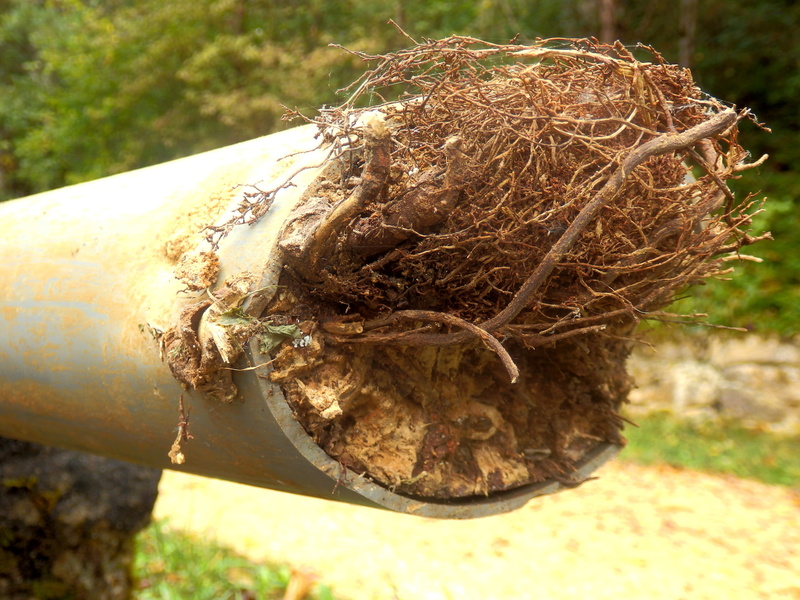
- Camera Inspection: For main sewer lines, a professional uses a specialized video camera to inspect the line. They search specifically for root intrusion (a common cause of line blockage), as well as any cracks, sagging, or misalignments in the pipe.
4. Fixture and Valve Functionality
All fixtures and valves must be checked to ensure they are operating efficiently and safely:
- Toilet Flapper/Seal Check: Ensuring the flapper and fill valve are sealing correctly to prevent constant running, which can waste up to 20 gallons per day and drive up utility bills.
- Shut-Off Valve Functionality: Testing every accessible shut-off valve (under sinks, near toilets) to ensure they can be easily turned off in a true emergency. If they are corroded or seized, they must be repaired immediately.
How Does Preventive Plumbing Maintenance Deliver Significant Long-Term Savings?
While the direct cost avoidance of an emergency is obvious, the ongoing, subtle financial benefits of a maintenance plan are equally compelling. Preventive care translates directly into lower utility bills and less frequent replacements.
1. Maximized System Efficiency and Lower Utility Bills
Proactive care stops waste and boosts performance:
- Eliminating Water Waste: Finding and fixing a single dripping faucet can save over 7,000 gallons of water per year. When Magic Electric identifies and fixes these small issues, your water consumption, and your bill, drops immediately.
- Energy Efficiency: A water heater choked with sediment requires significantly more energy to heat the same volume of water. Regular flushing ensures the heating element can transfer heat efficiently, dramatically reducing your energy consumption and operational cost.
2. Extended System Lifespan
Plumbing components are expensive to replace, but routine care slows down the inevitable failure:
- Pipe Longevity: By keeping water pressure regulated and checking for corrosion, you alleviate stress on your pipes. High pressure accelerates wear, and catching corrosion early allows for targeted pipe replacement rather than a whole-home repiping project.
- Appliance Durability: When a water heater is flushed and its components are regularly inspected, it can easily last the full 10 to 12 years of its intended lifespan, or longer. Without maintenance, failure can occur prematurely, forcing you into an expensive replacement sooner than planned.
3. Preserving Home Value
A documented history of professional plumbing maintenance is a major selling point for any home. It assures future buyers that the core systems are sound and that expensive, hidden issues like a failing water heater or compromised sewer line are unlikely to surface immediately after purchase. This peace of mind translates directly into retained or increased property value.
What Critical Seasonal Checks Are Necessary to Combat Boise’s Climate?
Homeowners in the Boise area face unique challenges, primarily the significant risk of frozen and burst pipes during cold Idaho winters. Preventive maintenance must be tailored to the seasonal shifts to provide maximum protection.
Preparing for Winter (Fall Maintenance):
The fall season is the most critical time for plumbing prevention in cold climates. A key focus is on exterior protection:
- Outdoor Faucet Winterization: This is the number one cause of winter bursts. If a garden hose is left attached, water trapped in the spigot can freeze and expand. Professionals ensure the hose is disconnected, the interior shut-off valve is turned off, the line is drained, and exposed spigots are covered with insulation.
- Pipe Insulation Check: Any exposed pipes in unheated areas, such as crawl spaces, garages, or basements, must have intact, sufficient insulation. A technician will inspect insulation integrity and apply heat tape where necessary to high-risk lines, preventing freezing.
- Draft Elimination: Cold air infiltration near plumbing runs (e.g., in cabinets or near wall penetrations) can cause localized freezing. Sealing these gaps helps maintain a warmer environment around the pipes.
Spring Inspection (Post-Winter Damage Check):
Once the thaw arrives, the focus shifts to checking for the hidden damage winter may have inflicted.
- Outdoor Fixture Inspection: Checking all outdoor hose bibs, sprinkler systems, and exposed pipes for any signs of cracks or subtle leaks that may have occurred due to freezing temperatures.
- Sump Pump Test: Spring rains and snowmelt increase groundwater levels. A plumber will test the sump pump by pouring water into the pit to ensure it activates properly, cycles off, and that the discharge line is free of obstructions. A non-functioning sump pump is an instant flood risk.

What Subtle Warning Signs Signal a Hidden Problem That Requires Immediate Attention?
The greatest benefit of preventive maintenance is that it formalizes the process of looking for trouble. However, between scheduled appointments, homeowners must remain vigilant. Your plumbing system is remarkably communicative if you know how to listen.
Pay close attention to these key indicators that a problem is escalating and needs prompt attention from Magic Electric, Plumbing, Heating & Air:
- Gurgling or Bubbling Drains: This sounds like air trapped in your lines and signals an impending blockage or a venting issue. If ignored, the blockage can lead to a complete sewage backup.
- Foul or Musty Odors: This can indicate sewer gas backing up due to a dry P-trap (common in unused drains) or a serious clog or sewer line issue. Sewer gas is both a health hazard and a sign that waste is not flowing properly.
- Sound of Faint Running Water: If all fixtures are off but you hear water, you have a hidden leak likely behind a wall, under the floor, or coming from a running toilet. Hidden leaks cause the most devastating structural water damage and mold over time.
- Visible Water Stains or Texture Changes: Peeling paint, soft spots, or bulging drywall on ceilings or walls is evidence that a leak has been actively damaging the structure for some time and needs immediate detection.
- Inconsistent Water Temperature: If your shower or faucet delivers unexpected bursts of scalding water, it signals a failing water heater component or a cross-connection issue in your mixing valves, posing a safety risk.
When you notice any of these signs, the time for “watchful waiting” is over. It’s the time to contact the professionals at Magic Electric for immediate leak detection and repair before a small drip becomes a major flood.
Why Should Homeowners Invest in a Professional Preventive Plan Like Magic Care Club?
While there are many DIY tasks you can perform (like installing drain strainers or checking for visible leaks), a professional plan takes your system’s health to the next level. For Magic Electric, Plumbing, Heating & Air, this means enrolling in our Magic Care Club Program.
Choosing a professional, systematic approach provides distinct advantages that DIY efforts just can’t match:
- Expert Diagnostic Tools: Plumbers use specialized equipment you don’t have, such as video drain inspection cameras to diagnose sewer line health and precise pressure gauges to test system integrity. They can see what’s happening inside your pipes.
- Access to Comprehensive Services: The Magic Care Club ensures you get a full-system check that covers plumbing, heating, and air conditioning. This holistic approach finds issues across all your critical home comfort systems.
- Hassle-Free Scheduling and Documentation: Routine maintenance is automatically scheduled, removing the burden of remembering annual checks. All inspections and findings are professionally documented, creating a valuable maintenance history for your home.
- Preferred Customer Benefits: Membership in the Magic Care Club gives you benefits like discounts on service rates, priority scheduling for emergency calls, and sometimes extended warranties on certain repairs or installations. This means you save money even if an emergency does occur.
- Upfront Pricing Guarantee: Knowing the cost of maintenance is clearly defined removes financial ambiguity, allowing you to budget for prevention confidently.
Professional maintenance is the single most effective way to transfer the risk of plumbing failure from the homeowner to a trusted expert, ensuring your system is consistently evaluated by a fully licensed and insured professional.
Conclusion: Making the Magic Choice for Your Home’s Plumbing Health
The role of preventive plumbing repair is clear: it’s the essential shield against the financial devastation, stress, and structural damage caused by unexpected emergencies.
By choosing to be proactive, you move beyond the cycle of frantic, costly repairs and embrace a strategic, cost-effective maintenance mindset. You preserve your home’s value, extend the life of expensive components like water heaters and pipes, and, most importantly, ensure your family’s daily comfort is never interrupted by a hidden leak or sudden flood.
As the trusted, local experts in the Boise, ID area, Magic Electric, Plumbing, Heating & Air provides the comprehensive, professional preventive services necessary to secure your home. Whether you need a simple drain clearing, a full water heater flush, or are ready to enroll in the long-term protection of the Magic Care Club Program, don’t wait for the drip to become a disaster.
Contact Magic Electric, Plumbing, Heating & Air today for your plumbing and electrical repair and maintenance needs, and gain the peace of mind that comes with a perfectly maintained plumbing system.
Proactive Plumbing Repair: Frequently Asked Questions (FAQ)
1. How often should I schedule professional preventive plumbing maintenance?
You should schedule comprehensive professional plumbing maintenance at least once per year. This annual check should cover the major components like the water heater, main supply lines, and water pressure regulator. However, for systems with older components or in homes with hard water, certain items like water heater flushing and drain line inspections may benefit from bi-annual (twice per year) checks. For fixture-specific maintenance like bathroom plumbing, routine care every 18 months to two years is recommended to catch worn seals and slow leaks before they escalate.
2. Is DIY drain cleaning effective, or do I need a plumber for clogs?
DIY drain cleaning is effective for very minor, surface-level clogs (like hair in a shower drain) using simple methods like plungers, drain snakes, or natural mixtures of baking soda and vinegar followed by hot water. However, you’ll need a certified plumber for deeper, persistent, or recurring clogs. A professional plumber has access to specialized tools and resources that homeowners lack, including:
- Hydro-Jetting Equipment: This uses high-pressure water to fully scour the pipe walls.
- Drain Augers: Industrial tools designed to reach deep blockages.
- Camera Inspection Services: These confirm the exact location and cause of the blockage, such as tree root intrusion or collapsed piping.
These professional methods safely and completely eliminate deep blockages, preventing serious damage to your pipes that chemical cleaners can’t safely resolve.
3. What should I do immediately if I suspect tree roots are clogging my sewer drains?
If you notice signs like multiple slow drains, foul sewage odors, or gurgling sounds from your toilet, you should immediately stop using fixtures that drain into the main line (like toilets and washing machines) and call a certified plumber like Magic Electric. Continued use risks a severe sewage backup. The plumber will perform a camera inspection service to confirm the location and severity of the root intrusion. Once diagnosed, they can eliminate the problem using professional methods, usually:
- Hydro-Jetting: To cut and wash away the roots.
- Mechanical Augers: To break up the roots.
They will also recommend if localized repair or replacement of the affected pipe section is necessary to prevent recurrence.
4. What is the normal range for residential water pressure, and why is it important to check?
Normal residential water pressure typically falls between 40 and 60 pounds per square inch (psi). It is vital to check your pressure regularly because anything consistently above 60 psi is considered high pressure, which exerts stress on your entire plumbing system. High pressure is a leading cause of premature failure in appliance hoses, faucet seals, pipe joints, and water heaters. A professional maintenance check uses a specialized gauge to verify the pressure and can install or adjust a pressure-reducing valve (PRV) to protect your home from these damaging effects.